
Vietnam packages from India
Compare supported itineraries when you do not want to organise every transfer alone.
Routes, safety habits, budgeting and social travel without rushing
Plan a solo Vietnam trip from India with route ideas, transport, safety habits, budgeting principles and practical advice for first-time travellers.
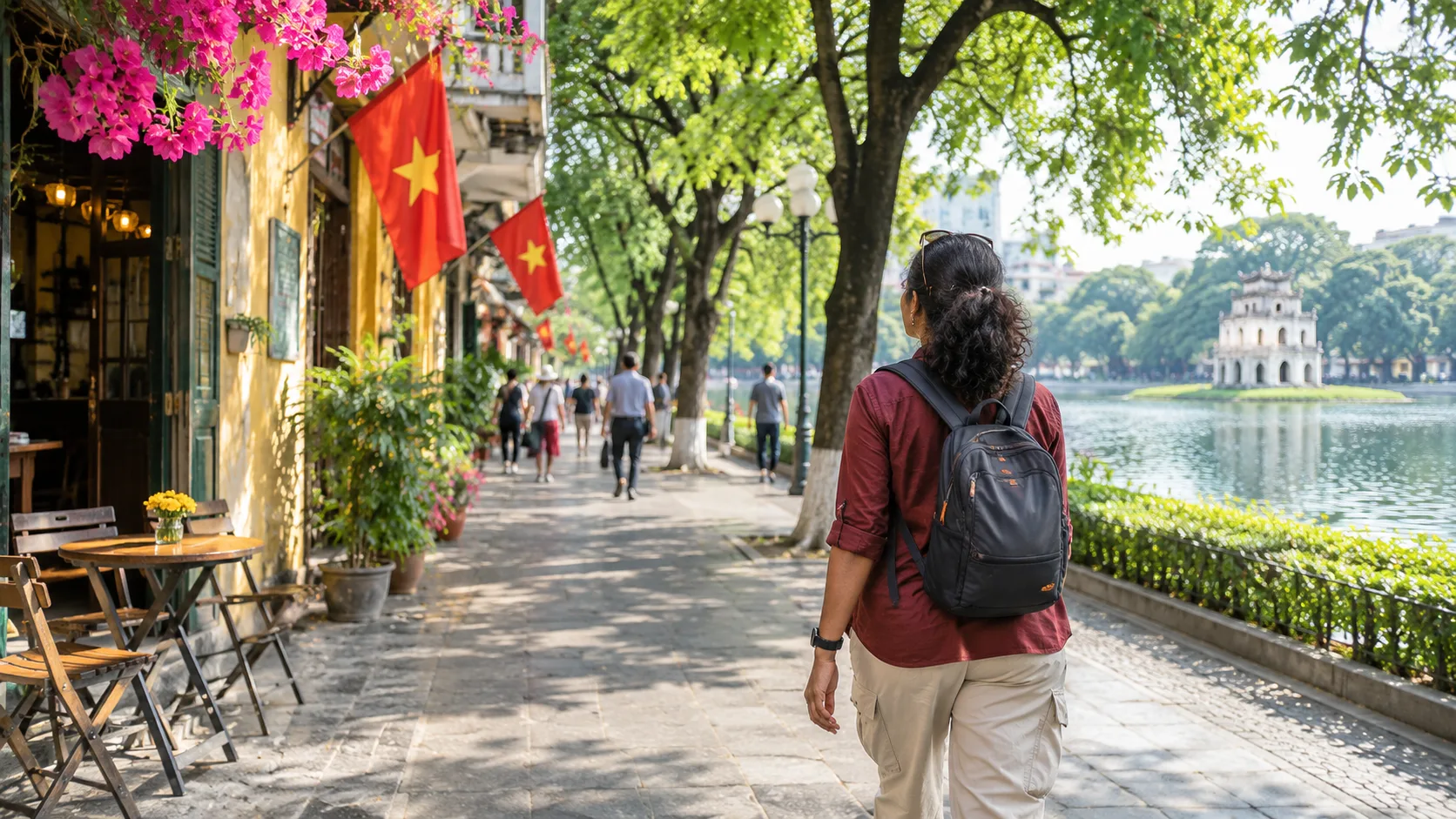
Vietnam is practical for solo travel when you use reputable transport, keep your route realistic and apply normal city and nightlife precautions. For a first trip of seven to nine days, choose Hanoi plus Ha Long or Ninh Binh and one central or southern base rather than trying to cover the whole country.
Book the first nights, long-distance transport and airport transfer before departure. Leave some daytime activities flexible, but do not depend on finding every service after arrival during holidays or peak travel periods.
Solo travel rewards depth because there is no need to negotiate every stop. A compact northern route can combine Hanoi, Ninh Binh and Ha Long Bay. A central route can combine Da Nang, Hoi An and Hue. A longer north-to-south trip can add Ho Chi Minh City, but frequent one-night stays quickly become exhausting.
Use flights for major jumps on a short holiday and trains for selected scenic or overnight sectors when the schedule suits. Compare the full door-to-door time, not only the ticket duration.
Keep your phone away from the road edge, use official taxi queues or reputable ride-hailing apps, and store passport copies separately. Share major transport details with someone you trust and avoid arriving alone at an unfamiliar rural stop late at night.
In nightlife areas, watch your drink, moderate alcohol and use your own transport account rather than accepting an unverified ride. No destination is risk-free, but consistent habits reduce common problems.
Your total depends on season, room privacy, internal flights and how often you book organised tours. Solo travellers pay the full hotel room and may face single supplements on cruises, while hostels and small-group tours can lower costs and make meeting people easier.
Separate fixed costs from daily spending. Price flights, visa requirements, insurance, hotels and long-distance transport first. Then create a daily allowance for food, local transport, entrance fees and optional experiences, with a contingency reserve.
Small-group food tours, cooking classes, walking tours and social hostels make conversation natural without requiring a party itinerary. Read recent reviews and confirm group size, guide credentials and inclusions.
You can also keep solo time by booking a private room in a social property or alternating group days with self-guided days. The goal is not to be social constantly; it is to have options when you want company.
Check the current Vietnam entry rules through official government channels before paying for non-refundable travel. Confirm passport validity, the exact spelling used in applications and the entry point listed where required. Rules and processing arrangements can change.
Carry plug adapters as needed, enable international payment access, and keep airline baggage limits in mind when combining international and domestic tickets. Travellers with dietary restrictions should save a translated note for ingredients they cannot eat.
Compare supported itineraries when you do not want to organise every transfer alone.
Plan flights, arrival cities and onward connections.
Check the site's planning overview, then verify official rules.
Sources: Vietnam Tourism: Plan your trip; Vietnam Immigration: E-visa portal. Reconfirm operating hours, weather and transport details before booking.
Maya Travels can adapt the route to your dates, departure city, pace and preferred hotel category.
Request a Custom Vietnam PlanPut this advice into context with Vietnam tour packages from India and Vietnam travel guide for Indian travellers. These resources help connect the article's practical guidance with the right route, travel style, and planning requirements.