
Preface
The Motivation for Creating This Ebook
Vietnam has become one of the most sought-after destinations for Indian travellers. From direct flights from major Indian cities to visa-friendly policies and a favourable exchange rate, the country offers an incredible blend of natural beauty, history, and culture at a fraction of the cost of many other Asian destinations. Yet we noticed that despite the growing interest, reliable, consolidated information tailored for Indian visitors was scattered across the web. Many travellers arrived unprepared for practicalities such as visa rules, local customs, weather patterns, and the best ways to get around. That gap motivated us to create this ebook.
Our goal is simple: to give you a single, comprehensive resource that covers everything from paperwork and packing to cultural do's and don'ts, and the must-see destinations in the North, Central, and South of Vietnam. Whether you are planning a short holiday or a longer exploration, we want you to feel confident and ready to make the most of your trip. This guide is designed to be read from start to finish or used as a reference—dip into the sections that matter most to you whenever you need them.
The idea for this book came from countless conversations with Indian clients: questions about e-visa steps, the best way to exchange rupees, whether vegetarian food would be available, and how safe Vietnam really is. We realised that a single, well-organised guide could answer most of these questions and more, while also inspiring readers with the richness of Vietnamese culture and landscapes. We have tried to balance practical advice with a sense of what makes Vietnam special—so that your trip is not only smooth but also meaningful.
Over the years we have seen a steady rise in the number of Indian families, couples, and solo travellers choosing Vietnam for holidays, honeymoons, and extended trips. The affordability of hotels, food, and internal travel makes it possible to enjoy a high-quality experience without blowing the budget. At the same time, Vietnam is not just a "cheap" destination—it offers world-class natural and cultural heritage that rivals any country in the region. We hope this ebook helps you see why so many travellers fall in love with Vietnam and return again and again.
About Vietnam-tour.in
Vietnam-tour.in is part of Maya Travels, a trusted name in travel across India and beyond. We specialise in Vietnam tours, visas, and tailor-made itineraries for Indian travellers. Our team has first-hand experience organising trips to Vietnam—from classic Hanoi–Halong–Ho Chi Minh City routes to off-the-beaten-path adventures in Sapa, Da Nang, Hoi An, and the Mekong Delta. We understand the questions Indian travellers often have: about visa processes, flight options, currency, food, and what to expect on the ground.
Through Vietnam-tour.in we offer tour packages, visa assistance, and expert advice so you can plan with confidence. This ebook is our way of sharing that knowledge with you for free. We hope it becomes your go-to companion before and during your Vietnam journey. For personalised itineraries, group tours, or visa support, visit our website or get in touch—we are here to help you discover Vietnam in the way that suits you best.
Maya Travels is based in India and has been helping travellers explore Southeast Asia for years. Our Vietnam division focuses entirely on creating seamless, memorable experiences for Indian tourists—whether you are a solo traveller, a couple, a family, or a group. We work with licensed local partners in Vietnam to ensure quality, safety, and authenticity. When you book with us, you get the convenience of dealing with a team that speaks your language and understands your expectations, plus the assurance of on-the-ground support in Vietnam.
We regularly update our knowledge through familiarisation trips and feedback from clients. Whether you need a simple visa application, a fixed group tour, or a fully customised itinerary with private guides and special requests (vegetarian meals, accessibility, photography-focused trips, or extended stays), we can help. Our website features sample itineraries, blog posts, and practical tips—and this ebook is one more way we aim to make your Vietnam journey easier and more enjoyable.
Vietnam Overview
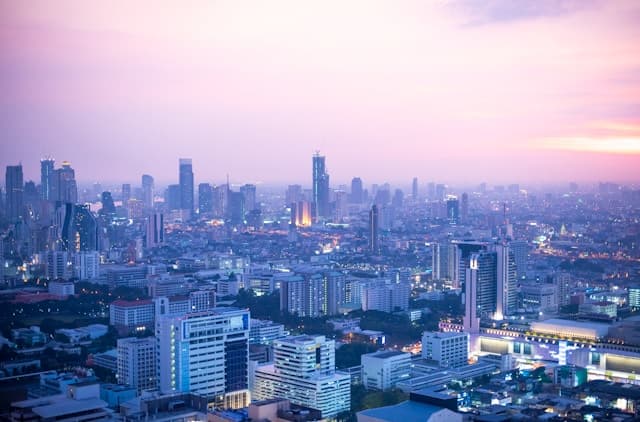
Vietnam is a long, S-shaped country stretching along the eastern coast of mainland Southeast Asia. It shares borders with China to the north, Laos and Cambodia to the west, and has a long coastline along the South China Sea. The country spans roughly 1,650 km from north to south but is narrow in the centre—in some places only about 50 km wide—which means geography and climate change noticeably as you move from region to region. Understanding this north–south divide is key to planning your trip: the north is known for mountains, rice terraces, and a cooler winter; the centre for ancient towns, beaches, and imperial history; and the south for bustling cities, the Mekong Delta, and a tropical climate year-round.
Vietnam's population is around 98 million, with a rich history that includes Chinese influence, French colonialism, and the Vietnam War (known locally as the American War). Today the country is a unified, rapidly developing nation with a young population, a growing middle class, and a tourism industry that has expanded enormously over the past two decades. Vietnamese is the official language; English is widely spoken in tourist areas, though less so in rural regions. The currency is the Vietnamese Dong (VND), and the country operates on Indochina Time (ICT), which is UTC+7—two hours ahead of India Standard Time.
For travellers, Vietnam offers an extraordinary variety of experiences: cruising among the limestone karsts of Halong Bay, walking through the ancient streets of Hoi An, exploring the Cu Chi Tunnels near Ho Chi Minh City, trekking in the highlands of Sapa, and floating through the Mekong Delta. The food scene is world-famous—from pho and banh mi to fresh spring rolls and strong Vietnamese coffee. Accommodation ranges from budget hostels and family-run guesthouses to luxury resorts, and transport options include overnight trains, domestic flights, buses, and motorbikes. Whether you have a week or a month, Vietnam rewards those who plan a little and stay curious.
The country's terrain is remarkably varied. In the north you will find towering peaks and terraced rice fields; in the centre, long beaches and historic cities; and in the south, the vast, watery landscape of the Mekong Delta. This diversity means that no single trip can do justice to everything—but it also means that there is something for every kind of traveller. Adventure seekers, history buffs, food lovers, and beach enthusiasts alike will find plenty to fill their itineraries. Vietnam's compact size relative to India makes it possible to cover a lot of ground in a short time, especially if you use domestic flights for long hops and save the scenic routes for train or road journeys where the landscape is part of the experience.
Vietnam's economy has grown rapidly since the reforms of the late 1980s. Tourism is a major contributor: the country welcomed millions of international visitors each year before the pandemic and has bounced back strongly. Infrastructure has improved significantly—new airports, highways, and hotels have made travel more comfortable. At the same time, Vietnam has managed to retain much of its character: street food culture, family-run businesses, and a strong sense of national identity. For Indian travellers, the combination of modern convenience and authentic culture is a big draw.
Religion and spirituality play an important role in daily life. Buddhism, Confucianism, Taoism, and Christianity coexist; you will see temples, pagodas, and churches across the country. Ancestor worship and local beliefs are also widespread. This spiritual dimension adds depth to your visit—whether you are walking through a centuries-old pagoda in Hanoi or observing a ceremony in the Mekong Delta. Respect for these traditions is appreciated and will enrich your understanding of Vietnamese society.
Information for Indian Travellers
Visa and Passport
Indian citizens need a visa to enter Vietnam for tourism, except in cases where bilateral visa exemption or special schemes apply. As of recent years, Vietnam has offered e-visa facilities for Indian passport holders, which simplifies the process significantly. The e-visa is typically valid for single entry and allows a stay of up to 30 days (or as per current policy). You apply online through the official government portal, pay the fee, and receive an electronic visa that you print and present on arrival along with your passport. Processing usually takes a few working days, but it is advisable to apply at least a week or two before your travel date to avoid last-minute stress.
Your passport must be valid for at least six months from the date of entry into Vietnam and should have at least two blank pages for stamping. Keep photocopies or digital copies of your passport and visa separately from the originals; this helps in case of loss or theft. If you plan to extend your stay or enter Vietnam multiple times, you may need to look into visa-on-arrival (VOA) with a pre-approval letter from a licensed agency, or a different visa type. Rules can change, so always check the latest requirements on the official Vietnam immigration or e-visa website, or consult your travel agent or Vietnam-tour.in for the most up-to-date advice tailored to Indian travellers.
The e-visa application process is straightforward. You will need to upload a passport-size photograph and a scan of your passport's data page, fill in your travel dates and entry/exit points, and pay the fee online. Once approved, you will receive a PDF that you must print and carry. At the airport, present this printout along with your passport at the immigration counter. Do not rely on showing the e-visa on your phone—a physical copy is required. If your plans change and you need to extend your stay, you will typically need to apply for an extension through a local agency or leave and re-enter with a new visa; overstaying can result in fines and future entry issues, so plan your dates carefully.
Families travelling with children should ensure that each person has the required visa; children are not exempt. If you are combining Vietnam with Cambodia or Laos, check each country's visa requirements separately. Many Indian travellers find that the e-visa is the most convenient and cost-effective option for a typical one- to two-week holiday. For business travel or longer stays, different visa categories apply—consult the Vietnamese embassy or a reliable visa agent for the correct type and documentation.
A few practical tips: use a clear, high-resolution scan of your passport; the photo should meet the specified dimensions and background colour. Double-check your entry and exit dates and the exact spelling of your name as it appears on your passport. Approval is usually sent by email; add the sender to your safe list so the message does not go to spam. Once you have your e-visa, store a digital copy in your email or cloud so you can reprint it if needed. At immigration, have both your passport and the printed e-visa ready; officers may keep the printout or stamp your passport, depending on the airport.
Some travellers opt for visa-on-arrival (VOA) through an agency: you receive a pre-approval letter by email, present it at the visa-on-arrival counter at the airport, pay the stamping fee in cash (USD), and get your visa stamped in your passport. This can be useful if you need multiple entries or a longer stay, but the e-visa is simpler for most short trips. Whichever option you choose, never overstay your visa—the penalties can be serious and may affect future travel to Vietnam and other countries. If you have dual nationality, use the passport that you will use to enter and exit Vietnam consistently throughout your trip.
Communications
Staying connected in Vietnam is straightforward. Most Indian mobile networks offer international roaming packages for Vietnam, but these can be expensive for data-heavy use. A popular and cost-effective option is to buy a local SIM card upon arrival. At major airports (Hanoi, Ho Chi Minh City, Da Nang) you will find counters selling tourist SIMs with data packs valid for 7, 15, or 30 days. Prices are generally low and data allowances are generous. You will need to show your passport to register the SIM. Make sure your phone is unlocked so it can accept a local SIM; otherwise, consider using a pocket Wi-Fi device or relying on hotel and café Wi-Fi, which is widely available in cities and tourist towns.
Internet quality in Vietnam is generally good in urban and tourist areas. Free Wi-Fi is common in hotels, restaurants, and cafés. For important calls back to India, use apps like WhatsApp, Zoom, or Skype over Wi-Fi or mobile data to keep costs down. English is commonly spoken in tourist hubs, but in remote or rural areas you may need to rely on gestures, translation apps, or a few basic Vietnamese phrases. Having Google Maps (or similar) downloaded for offline use can be very helpful when exploring without constant data connection.
If you prefer to arrange a SIM before leaving India, some international SIM providers offer plans that include Vietnam; compare costs with buying on arrival. Another option is to use your Indian SIM with a data pack if your operator offers a reasonable daily or weekly rate—useful if you need to keep your number active for banking OTPs or family contact. In any case, having a working phone and data will make it easier to use Grab, translate menus, and stay in touch with your tour operator or accommodation. Save important numbers—your hotel, tour guide, and emergency contacts—in your phone and in a written form as backup.
Vietnamese networks use GSM and LTE; most modern Indian smartphones work without issue. Popular local operators include Viettel, Vinaphone, and Mobifone. Viettel often has the best coverage in rural and mountainous areas, which can matter if you are heading to Sapa or the Mekong Delta. If you are on a long trip, topping up is easy at convenience stores and phone shops. For video calls and streaming, a 4G SIM with at least a few gigabytes will keep you comfortable. Postal services exist but are slow for international mail; if you need to send something home, consider international couriers or carry important items with you.
Vietnam Weather
Vietnam has a diverse climate because of its length. The north (Hanoi, Halong Bay, Sapa) has four distinct seasons: a cool, dry winter (roughly November–February), a spring (March–April), a hot and humid summer (May–August), and a pleasant autumn (September–October). Winter can be quite cool, especially in the mountains—Sapa can see near-freezing temperatures. The central region (Da Nang, Hoi An, Hue) has a different pattern: often hot and dry from January to August, with a rainy season from September to January. Typhoons can affect the central coast between September and November, so check weather forecasts if you travel then. The south (Ho Chi Minh City, Mekong Delta, Phu Quoc) is tropical: warm to hot year-round, with a clear dry season (roughly November–April) and a wet season (May–October) characterised by short, heavy afternoon showers.
There is no single "best" time to visit all of Vietnam in one go. If you want to cover north and south, the months from November to March are often recommended: the north is cool and dry, and the south is in its dry season. For beach time in central Vietnam, late spring and early summer (April–June) can be ideal before the typhoon risk increases. Always pack for variable conditions: light, breathable clothes, a light rain jacket or umbrella, and a sweater or jacket if you are heading to the north in winter. Checking a reliable weather site or app a week before your trip will help you fine-tune your packing list.
In the north, December and January can be surprisingly cold—especially in Hanoi and Halong Bay—so layers are essential. Spring (March–April) and autumn (September–October) offer mild temperatures and fewer tourists in some areas. In the south, the wet season does not mean rain all day; showers are often short and intense, and the landscape is lush and green. If you are flexible, you can design a route that follows the dry season: for example, start in the south in December, move to the centre in January, and finish in the north in February. Such a plan maximises good weather across regions.
Typhoons are a real consideration for the central coast between September and November. If you travel during this period, have travel insurance that covers natural disasters and be prepared to alter plans if a storm is forecast. Hotels and tour operators are used to handling such situations. The rest of the year, the central region is often sunny and hot—perfect for beach days and exploring the ancient towns in the early morning or late afternoon when the heat is less intense.
Humidity is high in much of Vietnam, especially in the south and during the wet season. Light, quick-dry clothing and good deodorant will make you more comfortable. Air conditioning is common in hotels, buses, and restaurants, so you can always cool off. If you are visiting during Tet (Lunar New Year) or other peak periods, expect crowds and higher prices; booking accommodation and transport early is essential. Monsoon rains can cause localised flooding in low-lying areas—stay informed and avoid unnecessary travel during severe weather warnings.
Food
Vietnamese cuisine is one of the country's biggest draws. It is fresh, flavourful, and often healthy—with plenty of herbs, vegetables, rice, and noodles. Pho (rice noodle soup with beef or chicken) is the most famous dish, but there is much more to explore: banh mi (baguette sandwiches), goi cuon (fresh spring rolls), bun cha (grilled pork with noodles), com tam (broken rice with grilled meat), and cao lau in Hoi An, to name a few. Seafood is excellent along the coast, and vegetarians can find options in most cities, though strict vegetarians should communicate their requirements clearly, as fish sauce is used in many dishes.
For Indian travellers, spice levels are different from Indian food—Vietnamese food is more about balance of sweet, sour, salty, and herbal flavours than intense chilli heat. You can often add chilli sauce or fresh chillies at the table. Street food is safe and delicious if you choose busy stalls where food is cooked fresh. Tap water is not recommended for drinking; stick to bottled or filtered water. Ice in tourist areas is usually made from purified water, but in remote places it may be safer to skip ice. If you have a sensitive stomach, ease into street food gradually and consider probiotics before and during your trip. Many Indian travellers also pack familiar snacks or instant noodles for backup, though you will find that Vietnamese food is very approachable and often becomes a highlight of the trip.
Breakfast in Vietnam might include pho, banh mi, or xoi (sticky rice with toppings). Lunch and dinner are often rice or noodle-based with a protein and vegetables. Do not miss Vietnamese coffee—strong, often served with condensed milk and ice. Fruit is abundant: mangoes, dragon fruit, rambutan, and more. If you have allergies or dietary restrictions, learn to say "I cannot eat" (toi khong an duoc) and the name of the ingredient; having a note written in Vietnamese can help in restaurants. Alcohol is available but not central to the dining culture; local beers like Bia Hoi (fresh beer) are cheap and popular in the north.
Food hygiene is generally good in established eateries and busy street stalls. Avoid raw or undercooked meat and seafood unless you are in a reputable restaurant. Peel fruits yourself when possible. With these simple precautions, you can enjoy the full range of Vietnamese flavours without worry. Cooking classes in Hoi An or Hanoi are a great way to take the taste of Vietnam home with you.
Regional specialities are worth seeking out. In the north, try bun dau (tofu with noodles and herbs) and egg coffee in Hanoi. In the centre, Hoi An is famous for cao lau, white rose dumplings, and banh mi from specific stalls; Hue has its own royal cuisine and vegetarian temple food. In the south, don't miss banh xeo (crispy pancakes), hu tieu (noodle soup), and the variety of tropical fruits. Many restaurants in tourist areas now offer vegetarian or vegan menus; in smaller towns, stick to rice, noodles, vegetables, and tofu and ask for no fish sauce (nuoc mam) if needed.
Dining etiquette is relaxed but respectful. Sharing dishes is common; the host or senior person may serve others first. Slurping noodles is acceptable. Leave a little food on your plate if you are full rather than overeating. When paying, the bill may be brought without being requested; in local places you might pay at the counter. Prices are often displayed or written on the menu, so you can avoid surprises. For a memorable splurge, consider a food tour or a meal at a well-reviewed restaurant overlooking the river in Hoi An or the lake in Hanoi.
Transportation
Getting around Vietnam is relatively easy thanks to a mix of domestic flights, trains, buses, and taxis. For long distances—for example Hanoi to Ho Chi Minh City—domestic flights are fast and affordable. Vietjet, Vietnam Airlines, and Bamboo Airways are the main carriers. Booking in advance usually gives better fares. Trains are a scenic and comfortable option, especially the overnight sleeper trains between Hanoi and Hue or Da Nang; they are a memorable experience and save a night's accommodation. Buses connect most towns and are very cheap; sleeper buses are common for overnight journeys. For shorter distances, Grab (similar to Ola/Uber) is widely used in cities for cars and bikes; it is convenient and avoids haggling. Traditional taxis are also available—stick to reputable companies like Mai Linh or Vinasun and ensure the meter is used.
Renting a motorbike is popular among adventurous travellers, but traffic in Vietnam can be chaotic and driving standards differ from India. If you do rent, ensure you have an appropriate licence, wear a helmet, and have travel insurance that covers two-wheeler use. Many tourists prefer to join organised day trips or use private car hires with a driver for inter-city travel. For first-time visitors, a combination of flights for long hops and guided tours or private transfers for day trips often offers the best balance of comfort, safety, and experience.
Domestic flights are efficient and often cheaper than long-distance buses when time is limited. Hanoi, Ho Chi Minh City, Da Nang, Nha Trang, and Phu Quoc are well connected. Allow time for airport transfers and check-in; domestic terminals can be busy. Trains run along the coast from Hanoi to Ho Chi Minh City; the Reunification Express is the main line. Soft sleeper cabins (four berths) or VIP cabins (two berths) are comfortable for overnight travel. Book through the official Vietnam Railways site or a reliable agent; peak periods sell out.
Within cities, walking is a great way to explore the Old Quarter in Hanoi or the centre of Hoi An. Cyclos (cycle rickshaws) and xe om (motorbike taxis) are available but agree on the price before setting off. Grab fixes the fare in advance, which is why it is preferred by many travellers. For group travel or day trips to sites like the Cu Chi Tunnels or Mekong Delta, joining a tour or hiring a private car with a driver is often the most stress-free option.
If you take the overnight train, pack a small bag with toiletries, a change of clothes, and earplugs; the carriages can be noisy. Sleeper buses have reclining seats or flat beds; they are cheap but can be cramped for tall passengers. For Halong Bay, most visitors book a cruise that includes transfer from Hanoi; the journey is three to four hours each way. Boat travel is common in the Mekong Delta and in Halong Bay—always wear a life jacket when provided. When booking transfers through your hotel or tour operator, confirm whether the price is per person or per vehicle and what is included.
Money and Payment
The official currency is the Vietnamese Dong (VND). Banknotes come in large denominations—500,000 VND is common—so it is easy to get confused. As a rough guide, 1 INR is approximately 300 VND (rates vary); check current exchange rates before you travel. You can exchange Indian Rupees (INR) or US Dollars (USD) at airports, banks, or licensed exchange counters in cities. USD is widely accepted for large payments (tours, hotels); for day-to-day spending, local currency is preferred. ATMs are common in cities and tourist areas; many accept international cards. Inform your bank in India that you will be using your card in Vietnam to avoid blocks. Carrying some cash is advisable, especially in smaller towns and for street vendors.
Credit and debit cards are accepted in hotels, many restaurants, and larger shops, but street food, markets, and small businesses are cash-only. Mobile payment apps are growing in Vietnam but are not as universally used by tourists as in India. Keep small notes for tips and small purchases. Avoid changing money with strangers on the street; use official outlets. If you are on a tour package, confirm what is included (meals, entrance fees, transport) so you know how much cash you need for extras, souvenirs, and personal expenses.
Tipping is not mandatory but is appreciated. In restaurants, rounding up or leaving 5–10% is common in tourist areas. For guides and drivers, a small tip is a nice gesture. Keep a mix of denominations so you can pay exact amounts and avoid receiving too much change in large notes. Counterfeit notes exist; get currency from banks or reputable exchange counters. If you run low on cash, ATMs are the next best option; note that your bank may charge a foreign transaction fee, so withdrawing larger amounts less frequently can reduce costs.
Budgeting for a week in Vietnam can vary widely. A backpacker might spend very little on dorm beds, street food, and buses; a mid-range traveller might budget for comfortable hotels, a mix of restaurants and street food, and a few tours; a luxury trip can include high-end resorts and private guides. As a rough idea, mid-range travellers often find that daily costs (accommodation, food, local transport, and a few activities) are significantly lower than in many Indian cities for a similar level of comfort. Souvenirs, tailor-made clothes in Hoi An, and premium experiences (e.g. luxury Halong cruises) will add to your budget.
Safety Issues
Vietnam is generally a safe destination for travellers. Violent crime against tourists is rare. The main concerns are petty theft—pickpocketing and bag snatching, especially in crowded areas and on motorbikes. Keep valuables out of sight, avoid flashing phones or jewellery in busy streets, and use a cross-body bag or money belt. When riding in a taxi or Grab, keep bags away from the window to prevent snatch theft. Scams can occur, such as overcharging in taxis or at certain shops; using Grab and buying from fixed-price outlets reduces this risk.
Road safety is another consideration: traffic is heavy and rules are not always followed. Cross roads slowly and steadily; locals are used to pedestrians. If you rent a motorbike, ensure you are confident and insured. Health-wise, drink only bottled or filtered water, and be cautious with raw vegetables and unpeeled fruits from street stalls if your stomach is sensitive. Mosquito-borne diseases like dengue exist in some areas; use repellent and wear long sleeves in the evening where needed. Having travel insurance that covers medical emergencies and theft is strongly recommended. Keep copies of your passport, visa, and insurance details in a safe place and share your itinerary with family or friends back home.
Hospitals in major cities are adequate for routine issues; for serious emergencies, medical evacuation may be considered. Carry a basic first-aid kit and any prescription medicines in their original packaging with a doctor's note. Know the location of your country's embassy or consulate in Vietnam. In case of loss of passport or visa, contact the embassy and local police; having photocopies and digital copies speeds up the process. Overall, common sense and the same precautions you would take in any unfamiliar destination will keep you safe and allow you to enjoy your trip.
Natural hazards include typhoons (central coast), flooding, and occasionally landslides in mountainous areas. Stay informed about weather and follow local advice. In the unlikely event of civil unrest or a major incident, follow instructions from authorities and your embassy. Vietnamese people are generally friendly and helpful; if you need assistance, approach police or staff at your hotel or tour operator. Registering with your embassy before travel (many offer online registration) can help in case of an emergency. With a little awareness and preparation, your trip should be smooth and worry-free.
Recommended Itinerary
A classic first-time itinerary for Vietnam often spans 7 to 10 days and covers the north and south, or the north and centre. A popular 7-day route is: Day 1–2 Hanoi (Old Quarter, temples, street food); Day 3–4 Halong Bay overnight cruise; Day 5 fly to Ho Chi Minh City; Day 6 Cu Chi Tunnels and city sights; Day 7 Mekong Delta day trip or departure. If you have 10 days, add a night in Hoi An (fly to Da Nang, then short transfer) for the ancient town, lanterns, and tailoring. For 14 days, you can include Sapa (north), Hue (centre), and more time in the Mekong or on the coast. Many Indian travellers combine Vietnam with Cambodia (Siem Reap/Angkor Wat) in a two-week trip; direct flights and overland options make this feasible.
The key is not to rush. Vietnam rewards a slower pace—time for a long coffee by the lake in Hanoi, a cycle in the countryside near Hoi An, or a boat trip in the delta. Consider the weather when planning: if you want clear skies in Halong Bay and comfortable temperatures in the north, November to March is ideal. Book peak-season cruises and trains in advance. Whether you travel independently or with a tour operator like Vietnam-tour.in, having a clear itinerary helps you make the most of your days and avoids last-minute stress. We can help you customise a route that fits your interests, budget, and duration.
For families, a 7–10 day trip focusing on Hanoi, Halong Bay, and Hoi An (with beach time) is often ideal—manageable for children and full of variety. For couples, adding an overnight train, a stay in Sapa or the Mekong, or a few days on Phu Quoc can make the trip more romantic and relaxed. Adventure seekers might add trekking in Sapa, kayaking in Halong Bay, or a motorbike tour in the central highlands. Whatever your style, plan at least one "buffer" day for rest or unexpected discoveries; Vietnam has a way of inviting you to slow down and enjoy the moment.
A north-only itinerary (e.g. 5–7 days) could focus on Hanoi, Ninh Binh, and Halong Bay—perfect if you have limited time or want to avoid internal flights. A south-only trip could centre on Ho Chi Minh City, the Mekong Delta, and Phu Quoc. A central-focused trip might combine Da Nang, Hoi An, and Hue with beach time and culture. Longer trips of three weeks or more allow you to travel the full length of the country by train or a mix of train and flight, with stops in Sapa, Hanoi, Ninh Binh, Hue, Hoi An, Ho Chi Minh City, and the Mekong—the "grand tour" that many repeat visitors have done.
Practical tips: allow half a day for travel between cities (including airport or station transfer). Do not pack more than two or three locations in a week if you want to avoid exhaustion. Consider arriving in one city and departing from another (e.g. Hanoi in, Ho Chi Minh City out) to avoid backtracking. If you book through Vietnam-tour.in, we can arrange all internal transport, guides, and accommodation so you only need to follow the plan and enjoy the journey.
Vietnamese Culture and Customs
Holidays and Festivals
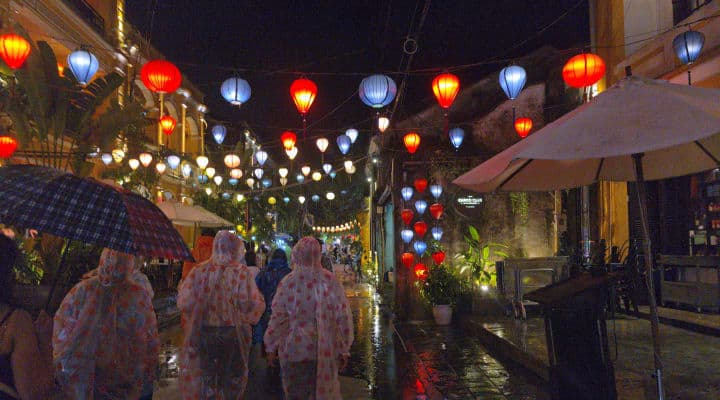
Vietnam has a rich calendar of festivals, many linked to the lunar calendar. Tet Nguyen Dan, or Tet, is the most important—the Lunar New Year, usually falling in late January or February. It is a time when families reunite, homes are cleaned and decorated, and businesses may close for several days. Travel during Tet can be rewarding for the atmosphere, but transport and accommodation get busy and prices can rise; book well in advance if you plan to visit then. Other significant festivals include Mid-Autumn Festival (Trung Thu), when children carry lanterns and mooncakes are shared; Hung King Temple Festival, honouring the legendary founders of Vietnam; and Reunification Day (30 April) and International Workers' Day (1 May), which are national holidays. Regional festivals—such as the Hoi An Lantern Festival on full-moon nights—add to the cultural experience. Checking the lunar calendar for major holidays will help you plan your trip and understand local behaviour and closures.
During Tet, cities like Hanoi and Ho Chi Minh City can feel quieter as people travel to their hometowns; at the same time, tourist areas may be crowded with domestic travellers. Flights and trains around Tet book up early and fares increase. If you want to experience Tet, plan at least six months ahead. If you prefer to avoid the rush, skip the week of Tet and the days immediately before and after. The Mid-Autumn Festival is more low-key for tourists but beautiful to witness—lantern processions in Hoi An are especially photogenic. Public holidays may mean closures of museums, banks, and some shops; always check ahead for the dates relevant to your travel period.
Traditions & Customs
Vietnamese culture emphasises respect for family, elders, and ancestors. When visiting temples or pagodas, dress modestly (cover shoulders and knees), remove shoes where required, and speak quietly. Avoid pointing your feet at people or religious objects; the feet are considered the lowest part of the body. When handing or receiving something, use both hands as a sign of respect. In rural and traditional settings, it is polite to greet elders first. Gifts are often given with both hands; avoid giving items in odd numbers (even numbers are preferred for gifts). If invited to a home, a small gift such as fruit or sweets is appreciated.
Dining customs: wait to be shown where to sit; the host may offer the best dishes to guests. Chopsticks are the norm; do not stick them upright in a bowl of rice (this is associated with death rituals). Try a bit of everything that is offered to show appreciation. Tipping is not mandatory but is increasingly common in tourist restaurants; rounding up or leaving 5–10% is fine. In general, Vietnamese people are warm and hospitable; a smile and a few words of thanks (cam on) go a long way. Being patient and respectful in crowded or bureaucratic situations will make your interactions smoother and more pleasant.
When taking photos of people, especially in ethnic minority villages or markets, always ask permission. In some places, a small tip or purchase is expected in return for a photo. Dress respectfully when entering religious or official sites—this is not only polite but often enforced. In business or formal contexts, a handshake is common; in more traditional settings, a slight bow or nod may be used. Learning a few phrases—hello (xin chao), thank you (cam on), goodbye (tam biet)—will be noticed and appreciated. Vietnamese society is collectivist; harmony and face are important, so avoid raising your voice or causing public embarrassment. A calm, friendly demeanour will take you far.
Famous Destinations in Vietnam
In the North
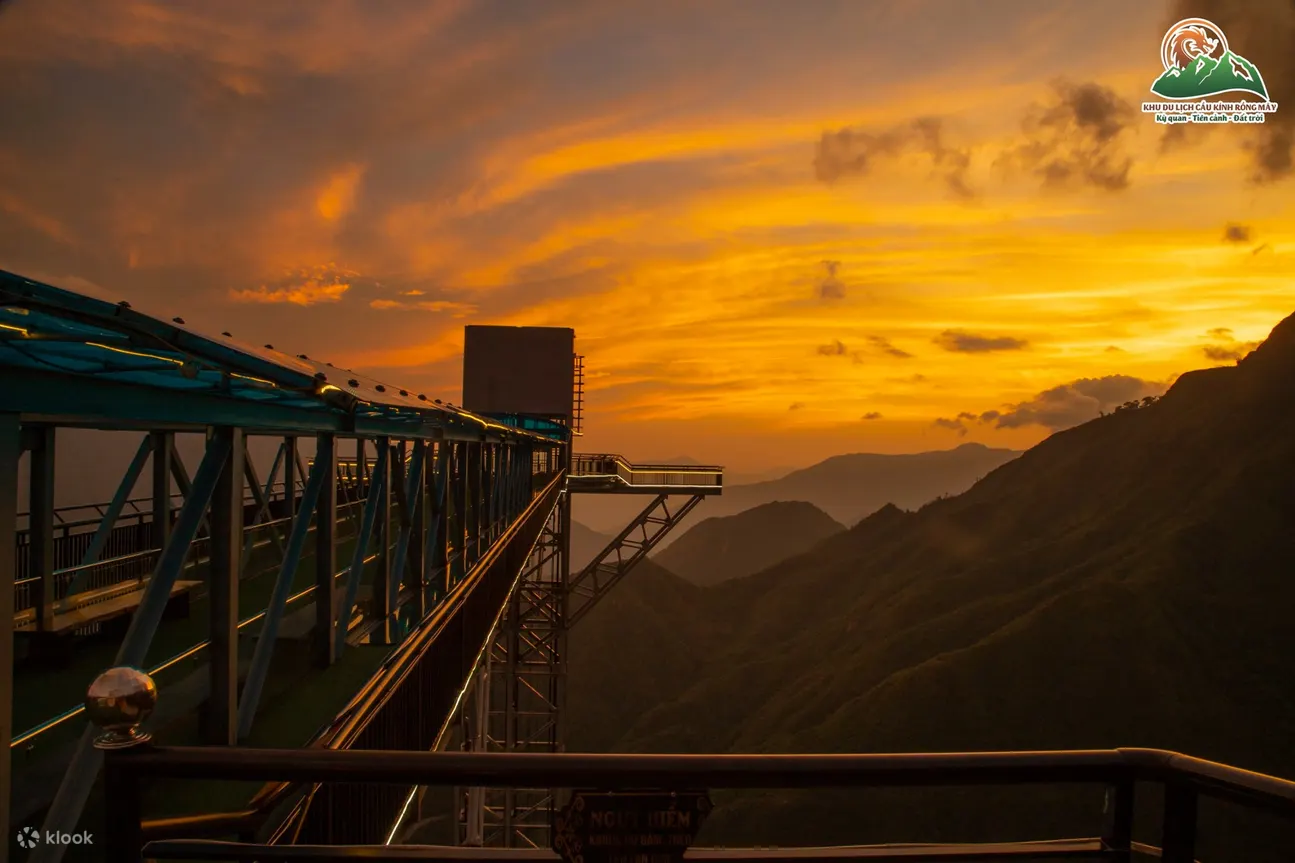
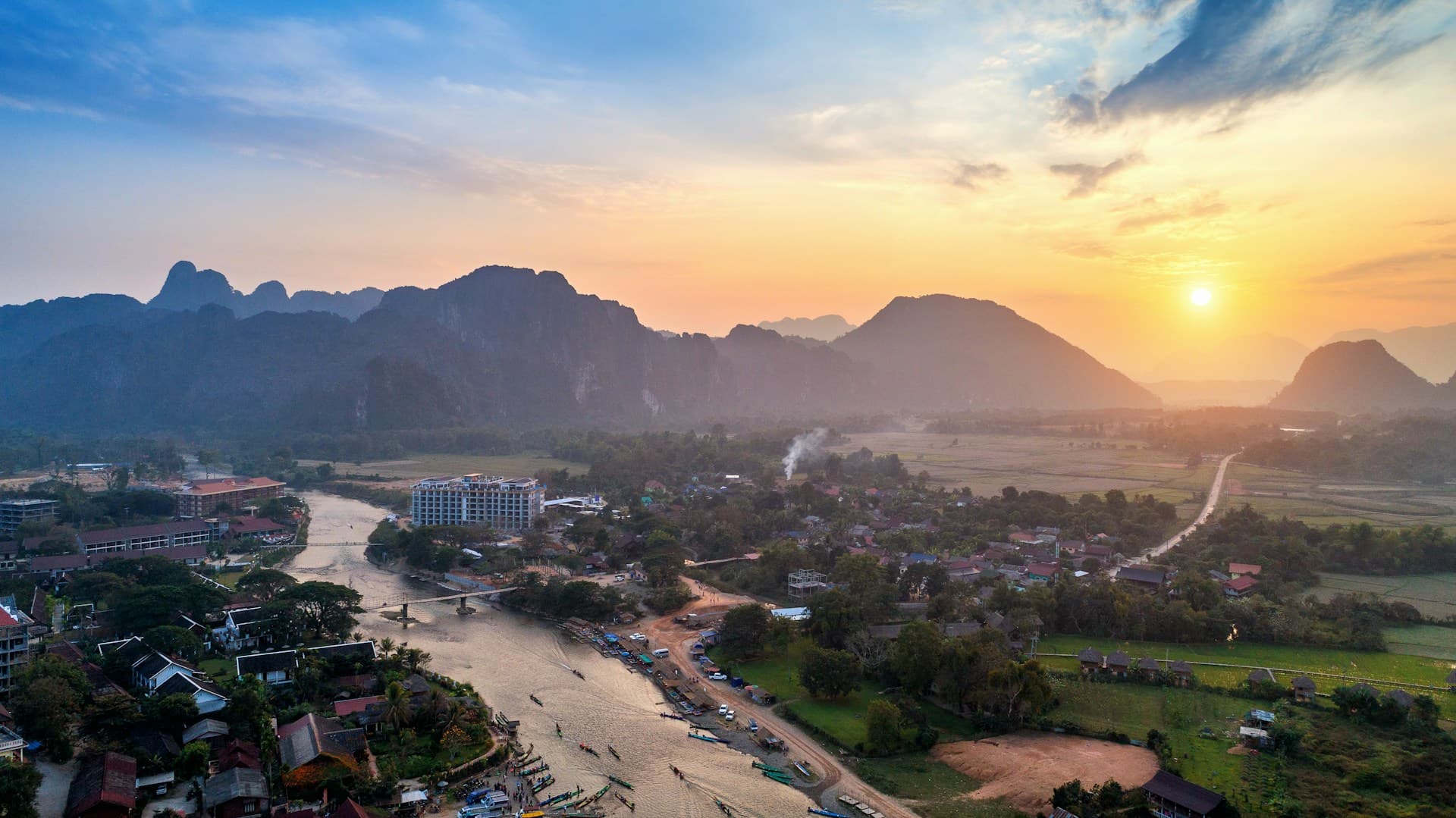
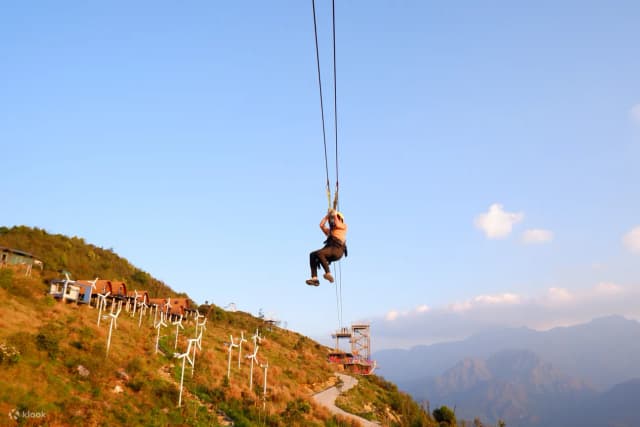
Hanoi, the capital, is the cultural heart of the north. The Old Quarter is a maze of narrow streets, each historically associated with a trade—silver, silk, bamboo—and now full of shops, cafés, and street food. Key sights include the Temple of Literature, Ho Chi Minh Mausoleum (check opening times and dress code), Hoan Kiem Lake, and the bustling Dong Xuan Market. A short drive away, Halong Bay is a UNESCO World Heritage Site: thousands of limestone karsts rise from emerald waters. Most visitors take an overnight cruise; options range from budget to luxury. Cat Ba Island offers a more active base with kayaking and trekking. Further inland, Ninh Binh is often called "Halong on land"—boat trips through rice fields and caves are unforgettable. Sapa, in the northern highlands, is famous for terraced rice fields and ethnic minority villages; trekking and homestays are popular. The north is best visited in the cool, dry season (October–April) for clear skies and comfortable temperatures.
Hanoi deserves at least two full days. Spend one day in the Old Quarter and around Hoan Kiem Lake, and another visiting the Temple of Literature, the Ho Chi Minh complex, and perhaps the Vietnam Museum of Ethnology. Street food tours and cooking classes are widely available. From Hanoi, Halong Bay is about three to four hours by road; many tours include transfer. Overnight cruises typically include kayaking, cave visits, and meals. For a less crowded alternative, consider Lan Ha Bay or Bai Tu Long Bay. Ninh Binh is roughly two hours south of Hanoi; Trang An and Tam Coc offer stunning boat rides. Sapa is reached by overnight train or bus from Hanoi; allow at least two nights to enjoy trekking and village visits. The north can be cool or cold from December to February, so pack accordingly.
In the Middle
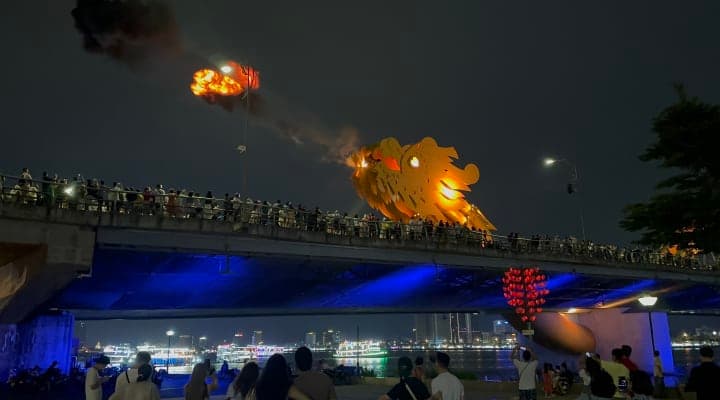
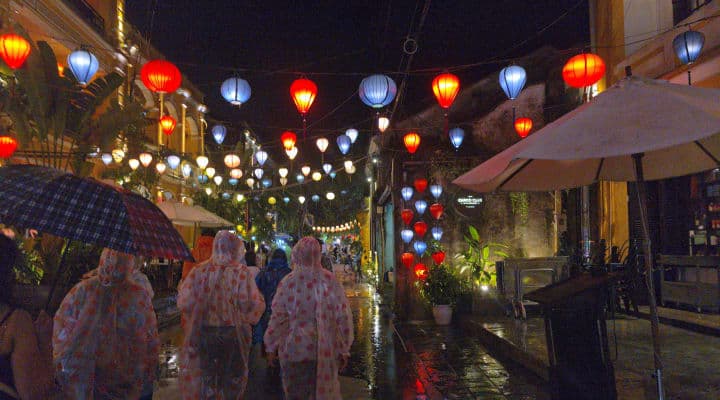
Central Vietnam is rich in history and natural beauty. Hue, the former imperial capital, is home to the Citadel and royal tombs along the Perfume River—allow at least a full day. Da Nang is a modern city with a long beach (My Khe), the famous Golden Bridge at Ba Na Hills, and the Marble Mountains. Hoi An, a short drive south, is one of Vietnam's most beloved towns: a well-preserved ancient port with yellow buildings, lanterns, tailors, and excellent food. Spend time walking the old streets, taking a cooking class, or cycling to the nearby countryside and beaches. The central coast can be affected by typhoons from September to November; the rest of the year it is warm and often sunny. Danang and Hoi An are well connected by air from both Hanoi and Ho Chi Minh City, making the centre easy to include in any itinerary.
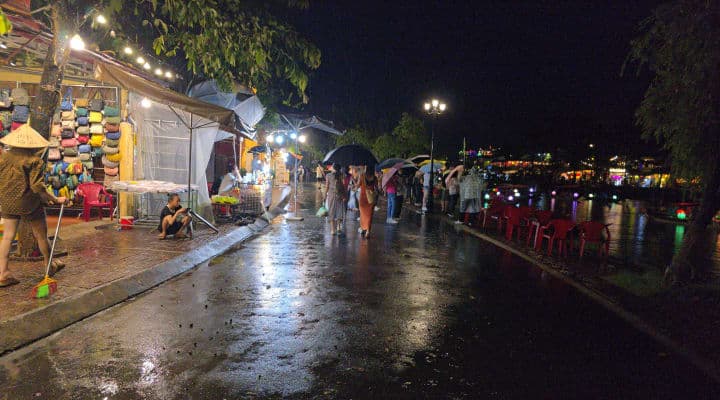
Hue is best explored by a combination of taxi or tour and boat. The Imperial City (Citadel) is vast; give yourself at least half a day. The royal tombs are spread along the Perfume River; a boat trip or driver can cover several in a day. Da Nang is often used as a base for Ba Na Hills and the Marble Mountains; the Golden Bridge has become an icon of Vietnamese tourism—go early to avoid crowds. Hoi An is compact and walkable; the ancient town has an entrance ticket that covers several historic houses and museums. At night, lanterns light up the streets and the river—a magical experience. The nearby An Bang Beach and the countryside are perfect for cycling. Allow two to three days in Hoi An to soak in the atmosphere, get clothes tailored if you wish, and take a cooking or lantern-making class.
In the South
Ho Chi Minh City (Saigon) is Vietnam's largest city—bustling, modern, and full of energy. Highlights include the War Remnants Museum, the Notre-Dame Cathedral and Central Post Office, Ben Thanh Market, and the Cu Chi Tunnels just outside the city. The Mekong Delta, a few hours south, is a world of rivers, floating markets, fruit orchards, and village life; day trips or overnight stays from Ho Chi Minh City are popular. Phu Quoc Island, off the southwest coast, offers beaches and resorts for those who want to end their trip with relaxation. The south is tropical: hot and humid year-round, with a wet season (May–October) and dry season (November–April). It is a gateway for many international flights, so travellers often start or end their Vietnam journey here.
In Ho Chi Minh City, District 1 holds most of the main sights; you can walk or use Grab between them. The War Remnants Museum is sobering but important for understanding modern Vietnamese history. The Cu Chi Tunnels are usually done as a half-day tour; you can crawl through sections of the tunnel system and learn about the wartime ingenuity of the Viet Cong. The Mekong Delta can be done as a day trip (e.g. to My Tho or Ben Tre) or as an overnight stay for a more immersive experience. Phu Quoc has developed rapidly with new resorts and an international airport; it is ideal for a beach extension at the end of a busy trip. Flights from Ho Chi Minh City to Phu Quoc are short and frequent.
Helpful Tips
Book flights and key experiences (Halong cruises, trains) in advance, especially for peak season (December–March). Pack light, breathable clothing, a rain jacket, comfortable shoes, and a small first-aid kit. Keep digital and physical copies of your passport, visa, and insurance. Learn a few Vietnamese phrases—hello (xin chao), thank you (cam on), and how much? (bao nhieu?)—to enhance your experience. Stay hydrated and use sunscreen; the sun can be strong. Respect local customs and the environment: avoid single-use plastic where possible and support responsible tour operators. If you have dietary requirements or health concerns, carry a translated note or use an app to communicate. Finally, leave some flexibility in your plan—Vietnam is full of surprises, and some of the best moments come from spontaneous detours and conversations with locals. We wish you an unforgettable journey and are here to help at Vietnam-tour.in whenever you need advice or a tailor-made tour.
Packing tips: a power adapter may be needed (Vietnam uses 220V, Type A and C sockets). A small torch or headlamp is useful for overnight trains and rural homestays. Bring insect repellent and any medications you might need; pharmacies are common but may not stock your usual brands. A lightweight daypack is ideal for day trips. For Halong Bay and beach days, quick-dry clothes and a swimsuit are essential. If you plan to visit temples and the Ho Chi Minh Mausoleum, pack long trousers and a shirt or scarf to cover shoulders.
Final reminders: confirm your visa and passport validity before booking. Arrive at the airport with time to spare for international flights. Keep emergency numbers (your tour operator, embassy, insurance) saved and written down. Tell your bank and mobile operator about your travel dates. And most importantly—go with an open mind. Vietnam will surprise you with its kindness, its flavours, and its landscapes. Enjoy every moment, and we look forward to helping you plan your next trip.
Explore tour packages
Handpicked Vietnam tours for Indian travellers. Click through to see details and book.
 7–8 days
Northern Vietnam: Hanoi, Halong Bay & Sapa
View tour →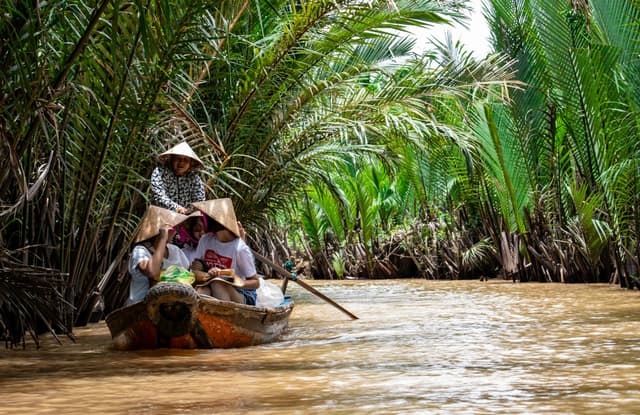 7–9 days
Southern Vietnam: HCMC, Mekong Delta & Phu Quoc
View tour → Luxury
Vietnam in Style: Hanoi, Halong Bay & Phu Quoc
View tour →9 days9-Day Vietnam with Beach Stay in Nha Trang
View tour →Browse all tours or classic packages for more options.
Ready to plan your Vietnam trip? Visit Vietnam-tour.in for tours, visas, and expert support for Indian travellers.