
01🏰
Hue Citadel
Massive fortress complex that served as the imperial capital of the Nguyen Dynasty from 1802-1945.
A Journey Through Royal Palaces and Ancient Traditions
Step into the former imperial capital of Vietnam, where magnificent palaces, royal tombs, and centuries-old traditions tell the story of the Nguyen Dynasty's golden age.
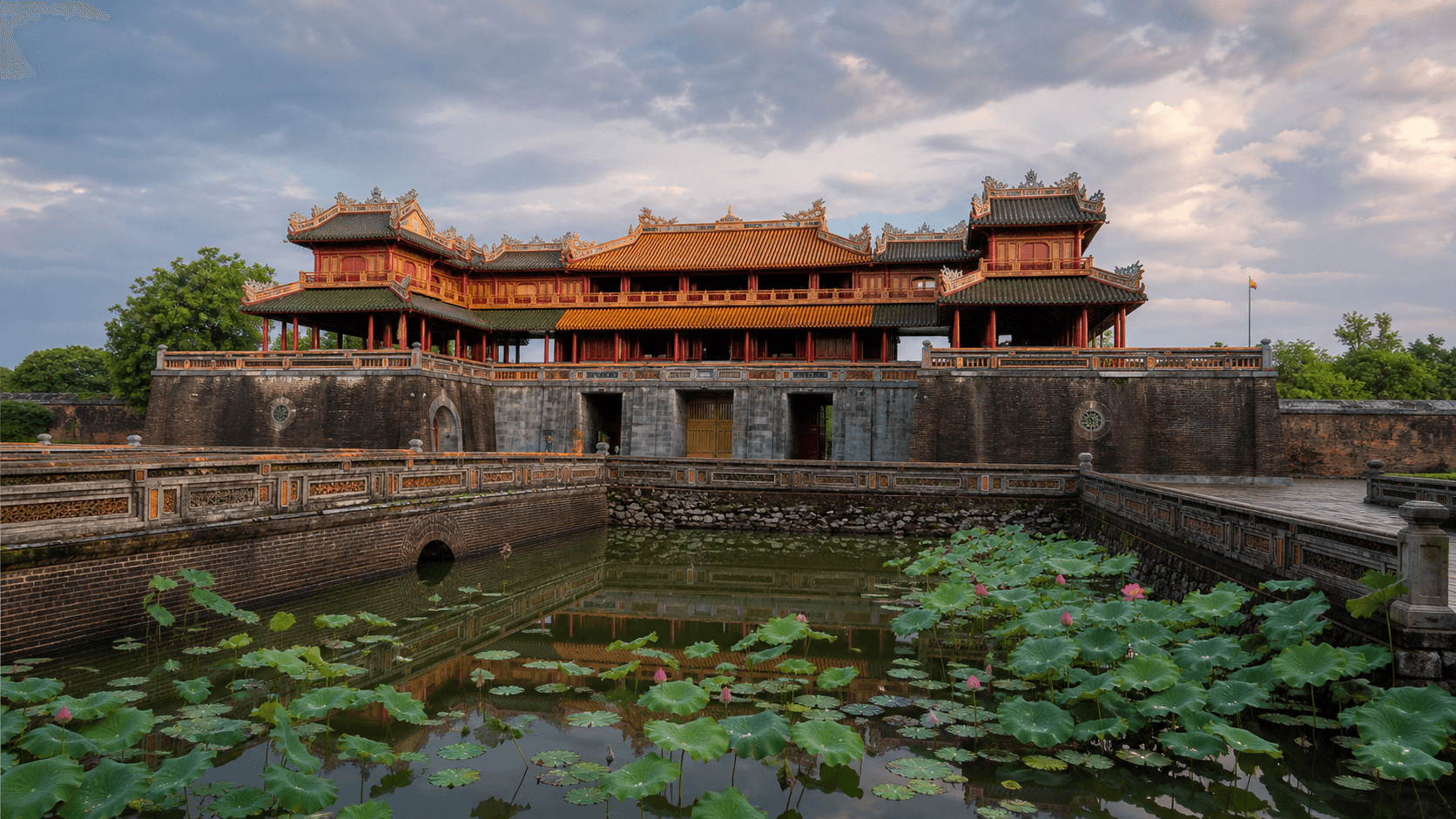
Where imperial grandeur meets cultural heritage
Nestled along the banks of the Perfume River in central Vietnam, Hue served as the imperial capital of Vietnam for over 140 years under the Nguyen Dynasty. This UNESCO World Heritage city is a living museum of Vietnamese royal culture and architecture.
From the imposing Citadel with its Forbidden Purple City to the elaborate royal tombs scattered along the riverbanks, Hue offers a unique glimpse into Vietnam's royal past. The city's rich cultural heritage, traditional cuisine, and spiritual significance make it an essential destination for any Vietnam itinerary.
Hue Imperial City guide →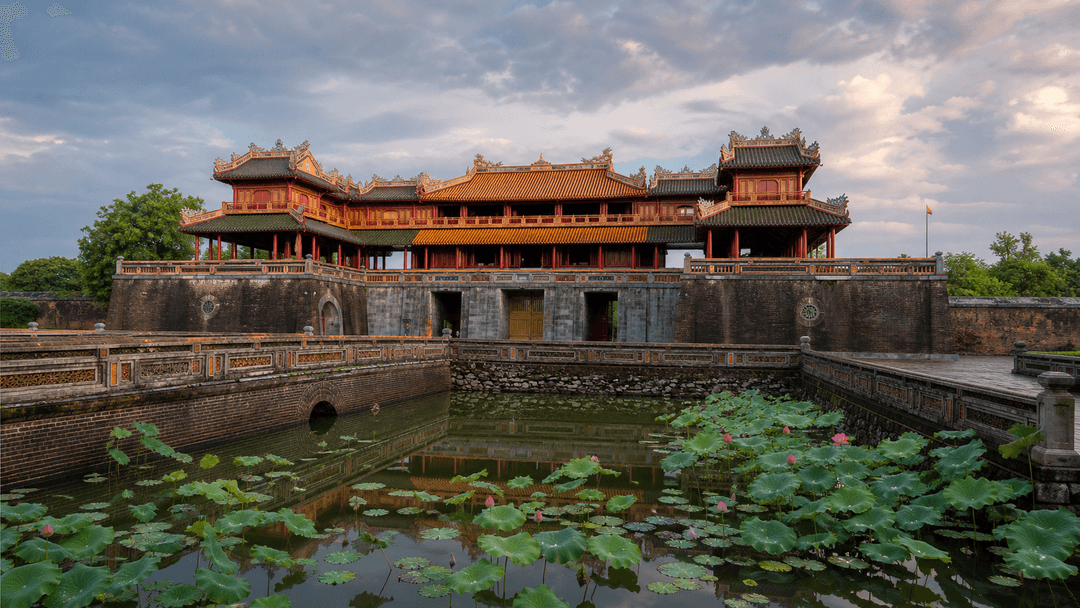
Must-visit landmarks that showcase Hue's highlights
Massive fortress complex that served as the imperial capital of the Nguyen Dynasty from 1802-1945.
Iconic seven-story pagoda overlooking the Perfume River, symbol of Hue's spiritual heritage.
Elaborate royal tomb blending Vietnamese and European architectural styles with intricate mosaics.
Poetic royal tomb set in beautiful gardens, reflecting the emperor's artistic and philosophical nature.
Hue's largest traditional market offering local specialties, handicrafts, and authentic street food.
Scenic waterway flowing through Hue, perfect for boat cruises and romantic sunset views.
Immerse yourself in Hue's culture and traditions
Royal Court Music
Experience Nha Nhac, UNESCO-recognized Vietnamese court music performances.
Ao Dai Making
Learn about traditional Vietnamese long dress and get custom-made Ao Dai.
Boat Cruise
Take a romantic boat ride along the Perfume River to visit pagodas and tombs.
Cycling Tours
Explore the countryside and visit rural villages around Hue on bicycle tours.
Taste the authentic flavors of Hue
Spicy beef noodle soup with lemongrass, shrimp paste, and thick rice noodles.
Crispy pancake filled with shrimp, pork, and bean sprouts, served with peanut sauce.
Grilled pork skewers wrapped in rice paper with herbs and dipping sauce.
Traditional Hue dessert soup with various beans, fruits, and coconut milk.
Explore beyond Hue with these recommended trips
200 km · 2-3 days
UNESCO World Heritage site with spectacular caves including Son Doong, the world's largest cave.
100 km · Full day
Historical sites from the Vietnam War including Vinh Moc tunnels and Hien Luong Bridge.
80 km · Half day
Beautiful white sand beach with clear waters, perfect for relaxation and water sports.
60 km · Full day
Mountain park with diverse wildlife, waterfalls, and panoramic views from the summit.
Essential information for your Hue adventure
March to August offers the best weather with dry, sunny days. Avoid September to February due to heavy rains and flooding.
Rent bicycles or motorbikes to explore the city. Taxis and cyclos are available. Many attractions are accessible by boat along the Perfume River.
Purchase a combined ticket for the Citadel and royal tombs for better value. Individual tickets available for each site.
Dress modestly when visiting temples and royal sites. Cover shoulders and knees. Comfortable walking shoes recommended.
Best photos are taken during early morning or late afternoon. Some sites may charge extra for photography permits.
Hue has a tropical climate with distinct wet and dry seasons. Bring rain gear during the wet season (September-February).
Hue is a city that transports you back in time to Vietnam's imperial era. The magnificent architecture, rich cultural traditions, and spiritual significance create an atmosphere of reverence and wonder.
Whether you're exploring the grandeur of the Citadel, paying respects at ancient royal tombs, or cruising along the Perfume River, Hue offers a profound connection to Vietnam's royal heritage and cultural identity.