
National Oceanographic Museum Nha Trang
Exploring the Wonders of Marine Life
Discover the Depths of the Ocean
The National Oceanographic Museum in Nha Trang is an essential stop for visitors interested in marine biology and ocean sciences. Home to Southeast Asia's largest repository for marine research, this institute boasts stunning aquarium displays as well as unique artifacts from their collection.
About the Museum
Century of Excellence
Established during French colonial rule, this 100-year-old institution is one of Nha Trang's must-see attractions with world-class facilities.
Research Center
Leading marine research and archival center in Vietnam and Southeast Asia, specializing in Vietnamese marine biodiversity.
Marine Conservation
Member of the International Council of Museums, dedicated to promoting marine conservation and raising public awareness.
Main Exhibitions
Aquarium Displays
Living Marine Ecosystems
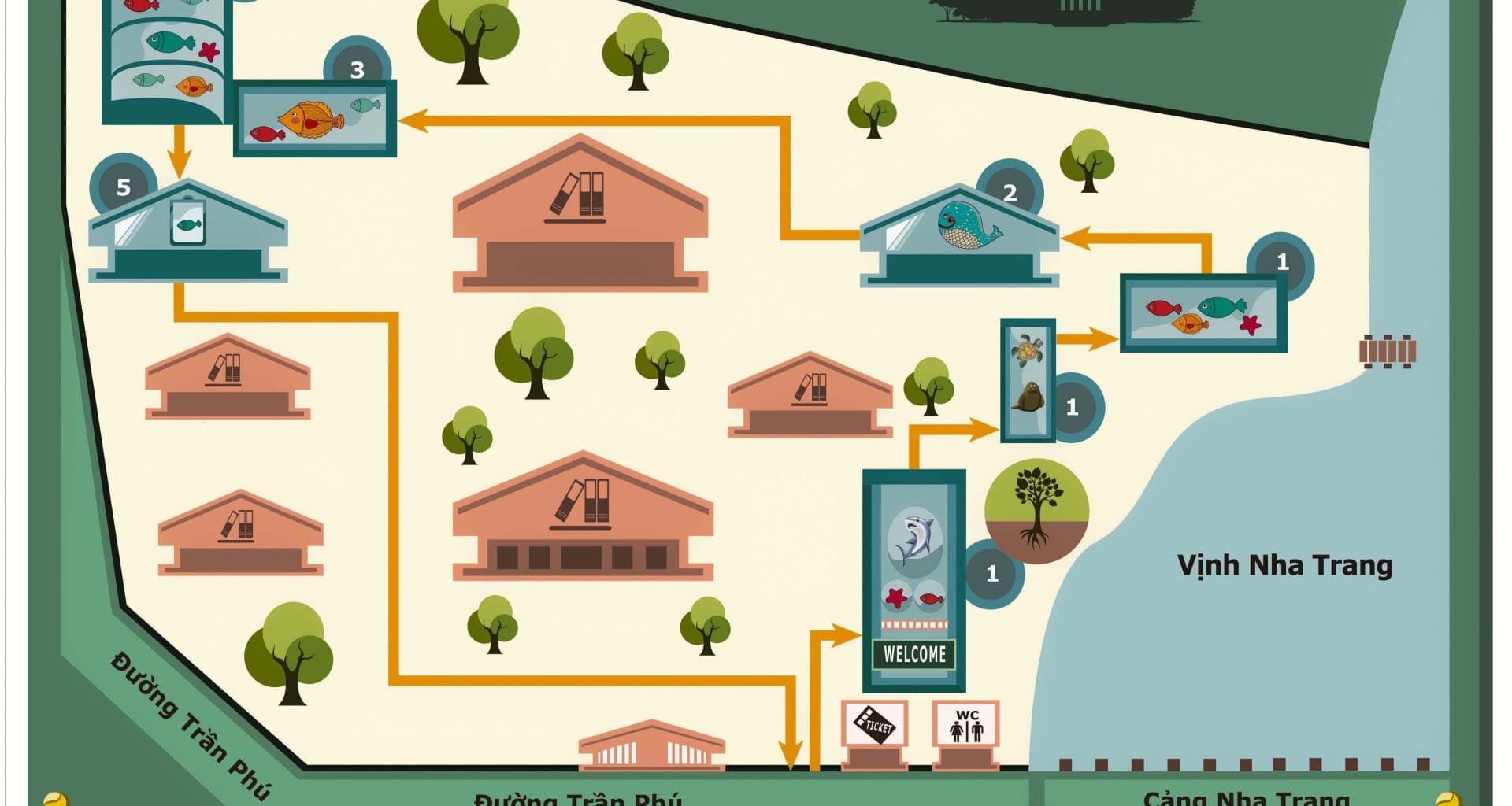
Lakes and aquariums resembling miniature oceans featuring over 300 typical sea creatures including sharks, squids, and other fish in an ecological model.
Marine Fossils & Skeletons
Ancient Marine Life
Giant samples of rare marine life including an 18-meter long humpback whale skeleton and Dugong (sea cow) remains preserved for study.
Biodiversity Collection
Marine Species Gallery
Several exhibition rooms showcasing marine biodiversity with rare species preserved in formaldehyde solution and marine geological samples.
Research Facilities & Collections
Tropical Marine Creatures
Reef sharks, turtles, living corals, anemones, puffers, and lion fish - many rare species displayed in glass boxes and aquariums.
Whale Skeleton
An impressive 18-meter whale skeleton that visitors can admire, showcasing the scale of these magnificent marine mammals.
Fossil Ship
Based on an ancient fossil ship of 60 meters in length and 30 in height, featuring a cannon and mast for historical context.
Marine Ecosystems
Seven themed sections dedicated to specific ocean ecosystems and marine biodiversity, carefully designed for optimal engagement.
Location & How to Get There
Address
1 Cau Da Street near Cau Da port in Nha Trang, Khanh Hoa Province, Vietnam.
Public Transport
Bus line 04 makes traveling easy, taking around 45 minutes from the city center to reach the museum.
Best Time to Visit
Arrive early in the day to avoid crowds, especially during peak seasons when reservations may be needed.
Planning Tips
Consider booking separately from Vinpearl Land as visiting both in one day can be tiring for proper exploration.
Museum History & Evolution
French Colonial Era
Established during French colonial rule under the name Indochina Oceanographic Institute of Fisheries.
Museum Development
Later became the Indochina Oceanography Museum, evolving into today's leading marine research center.
Regional Leadership
Today serves as one of the leading marine research and archival centers in Vietnam and Southeast Asia.
Conservation & Education Mission
Marine Conservation
Dedicated to promoting Vietnamese marine biodiversity culture and raising public awareness on protecting seas and ecosystems.
Research Support
Reliable address for researchers to expand knowledge on Vietnamese maritime space, territorial waters, and marine environments.
Educational Programs
Member of the International Council of Museums, specializing in promoting marine science education and cultural awareness.
Visitor Tips & Information
🕐 Timing
Visit early in the day to avoid crowds and have more time to explore the extensive collections and exhibits.
📸 Photography
Photography is allowed in most areas, but be respectful of the marine life and follow museum guidelines.
👥 Group Visits
Consider guided tours for educational groups to get the most out of the marine science experience.
🎒 What to Bring
Comfortable walking shoes, camera, and water. The museum can take 2-3 hours to explore thoroughly.
🌡️ Climate Control
The aquariums are climate-controlled, so the indoor areas maintain comfortable temperatures year-round.
🅿️ Parking
Limited parking available on-site. Consider using public transport or taxis for convenience.
Frequently Asked Questions
🕐 What are the opening hours?
The museum is typically open daily from 6:00 AM to 6:00 PM, but hours may vary by season.
💰 How much is the entrance fee?
Entrance fees are reasonable, with discounts available for students and children. Check current rates before visiting.
🚌 How do I get there from Nha Trang center?
Take bus line 04 from the city center, which takes about 45 minutes to reach the museum at Cau Da port.
📷 Can I take photos?
Yes, photography is generally allowed, but flash photography may be restricted in certain areas to protect marine life.
⏱️ How long should I plan to spend?
Plan for 2-3 hours to thoroughly explore all exhibits, aquariums, and research facilities.
🎓 Are there guided tours available?
Yes, guided tours are available and recommended for educational groups and those wanting detailed explanations.
Ready to Explore the Ocean's Mysteries?
The National Oceanographic Museum offers an unforgettable journey into the depths of marine science. Discover rare species, ancient fossils, and cutting-edge research in one of Southeast Asia's premier marine institutions.