A Historical Journey To Hanoi In
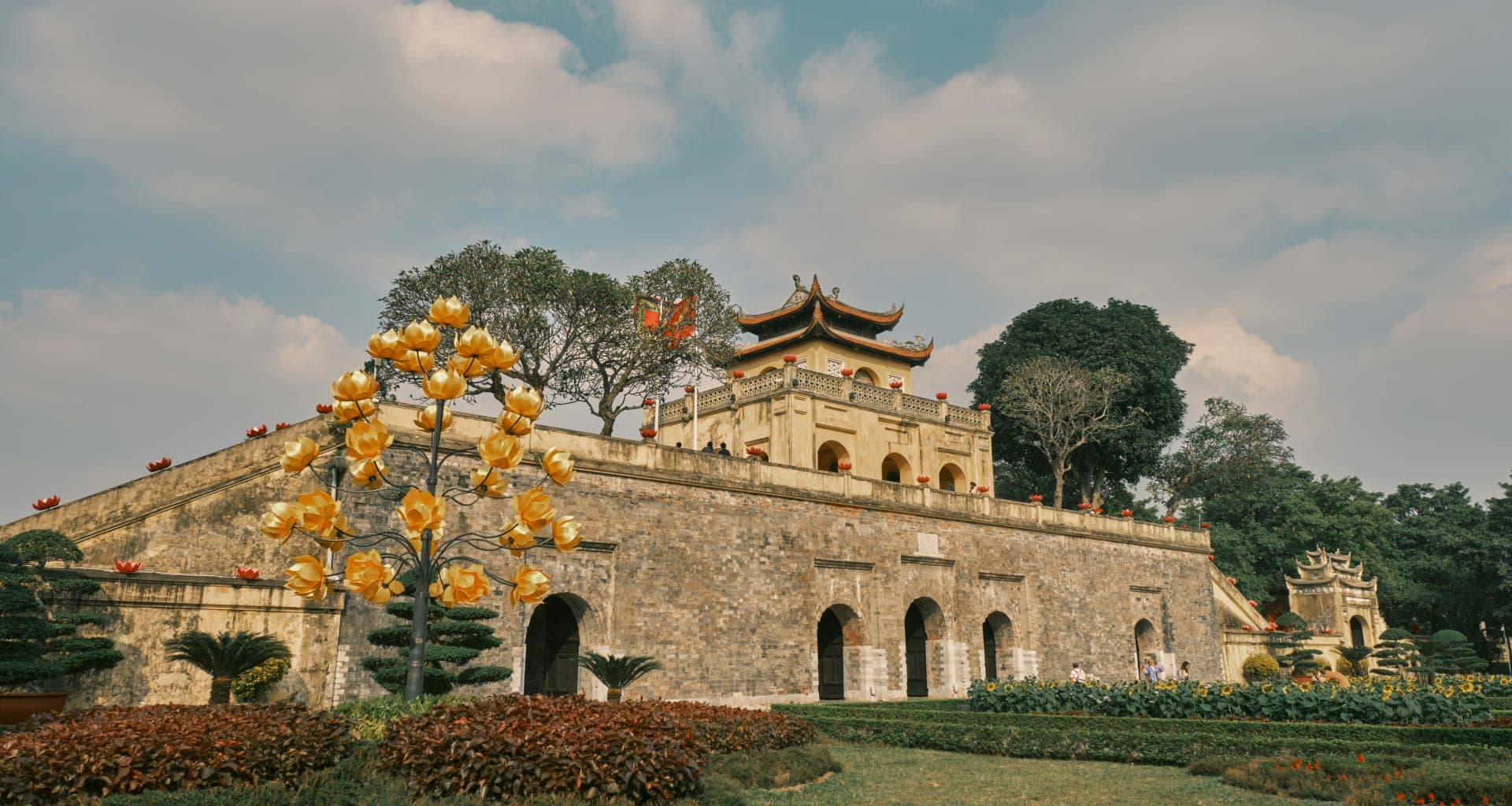
As you plan your trip to Hanoi, one destination that should be on your must-visit list is the Quan Thanh Temple. Located at the northern end of Hanoi's picturesque West Lake, this ancient temple is not only a masterpiece of traditional Vietnamese architecture but also a significant cultural and historical site. Let's embark on a historical journey to explore the beauty and significance of Quan Thanh Temple.
Quan Thanh Temple, also known as Tran Vu Temple, is one of the four sacred temples that were built to protect Hanoi from malevolent spirits. It dates back to the 11th century during the Ly Dynasty, making it one of the oldest temples in the city. The temple is dedicated to Tran Vu, the Deity of the North, who is believed to protect Hanoi and its inhabitants.
Built during the Ly Dynasty in the 11th century
One of four sacred temples protecting Hanoi
Dedicated to Tran Vu, Deity of the North
The architectural design of Quan Thanh Temple is a beautiful blend of Taoist and Vietnamese styles. As you enter the temple, you are greeted by a grand triple-gate with intricate carvings and motifs.
The main sanctuary houses a magnificent bronze statue of Tran Vu, which stands at about 4 meters tall and weighs nearly 4 tons. This statue, cast in 1677, is a masterpiece of Vietnamese bronze casting art.
The peaceful courtyard, adorned with lush greenery and bonsai trees, offers a tranquil escape from the bustling city life.
The highlight of Quan Thanh Temple is undoubtedly the impressive bronze statue of Tran Vu. The statue depicts the deity holding a snake and a tortoise, symbolizing strength and longevity.
The temple's woodwork, particularly the carvings on the pillars and beams, showcases the exquisite craftsmanship of ancient Vietnamese artisans.
The serene courtyard, adorned with lush greenery and bonsai trees, offers a tranquil escape from the bustling city life.
Quan Thanh Temple is not just a place of worship but also a cultural hub where various religious and cultural activities are held. During the Lunar New Year and other significant festivals, the temple becomes a vibrant center of traditional ceremonies and celebrations. Visitors can witness rituals, offerings, and cultural performances that provide deep insights into Vietnamese traditions and beliefs.
2025 is an ideal time to visit Hanoi and explore its historical sites, including Quan Thanh Temple. With ongoing preservation efforts, the temple continues to be well-maintained, allowing visitors to appreciate its historical and architectural grandeur.
Daily from 8:00 AM to 5:00 PM
Nominal fee for maintenance and preservation
Early morning or late afternoon for peaceful experience
Modest and respectful attire required
Quan Thanh Temple is a testament to Hanoi's rich cultural heritage and historical significance. As you explore this ancient temple, you'll be transported back in time, experiencing the spiritual and architectural marvels of ancient Vietnam. Don't miss the opportunity to visit this iconic landmark and immerse yourself in the history and culture of Hanoi.
