
Classic Vietnam tours
Plan a private, balanced route around Vietnam's essential destinations.
A practical guide to accessibility, transport and gentler itineraries
Plan Vietnam for senior travelers with comfortable routes, realistic pacing, hotel and transport checks, accessibility advice and health preparation.
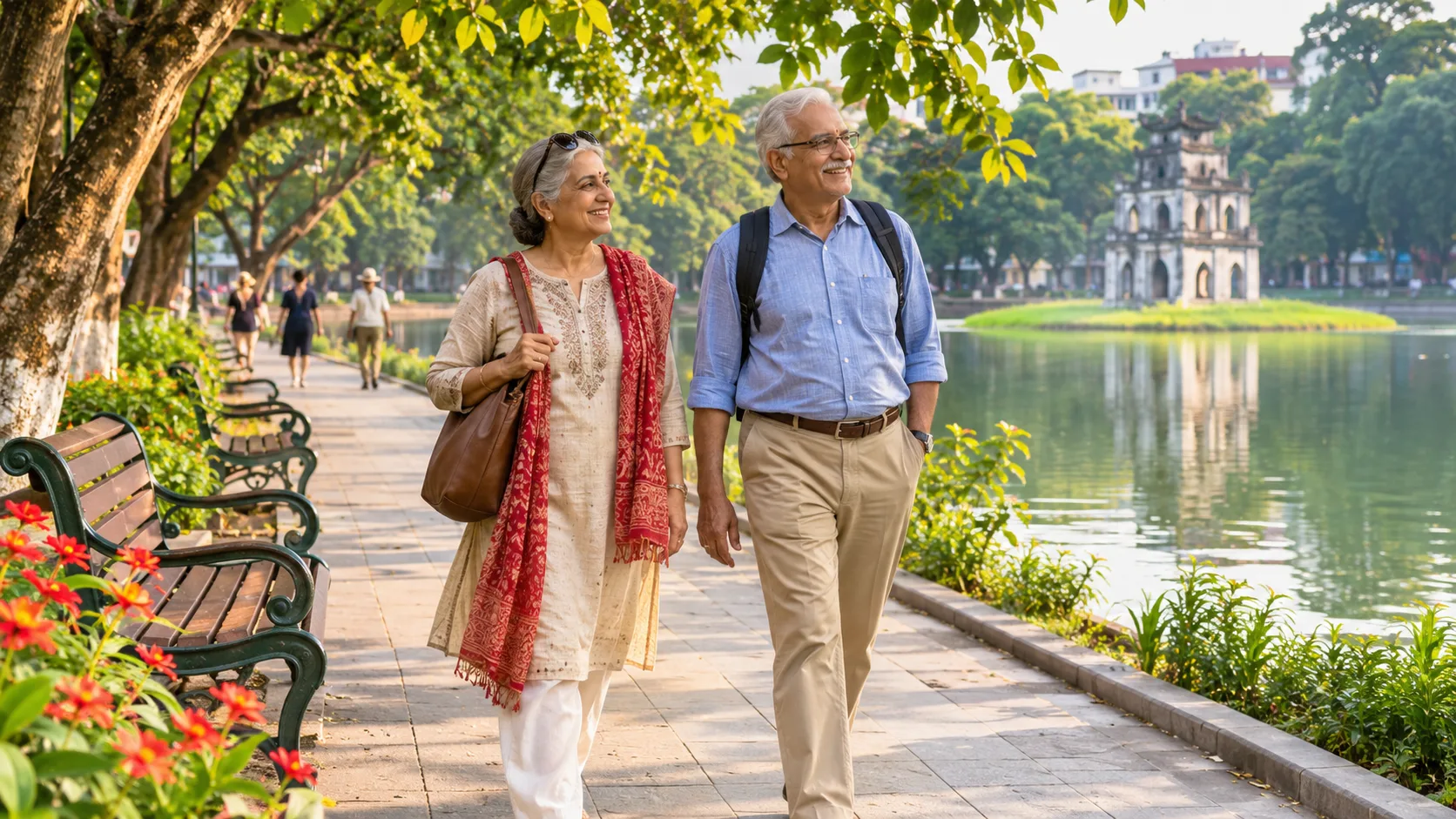
Vietnam suits many senior travellers when the route avoids one-night stays, overnight buses and tightly timed connections. Hanoi, Ha Long Bay, Da Nang, Hoi An and Ho Chi Minh City can form a comfortable first trip if you use domestic flights and private transfers between major bases.
Accessibility is inconsistent: pavements, stairs, boats and heritage buildings may be challenging. Ask precise questions about lifts, step-free access, bathroom layout, walking distances and boarding arrangements before booking.
A ten- to fourteen-day trip can cover two or three regions without constant movement. Use at least two nights in smaller stops and three nights in major bases. Keep an unscheduled half-day after a long flight or demanding excursion.
Domestic flights save time between north, central and south Vietnam, but airport procedures still require energy. Avoid the last flight of the day when a missed connection would disrupt an important cruise or international departure.
The word accessible can mean different things. Ask whether the entrance has steps, the lift reaches every floor, the shower is walk-in, grab rails are present and the restaurant requires stair access. Request photographs when a feature is essential.
Historic centres often have uneven surfaces and limited vehicle access. A central hotel reduces walking, while a folding mobility aid can help some travellers if the airline and vehicle arrangements are confirmed.
Discuss the itinerary with an appropriate medical professional, particularly when altitude, heat, long flights or existing conditions are relevant. Carry medicines in original packaging with documentation, plus extra supply for reasonable delays.
Schedule outdoor sightseeing in cooler hours, hydrate regularly and use air-conditioned midday breaks. Travel insurance should disclose pre-existing conditions accurately and include the level of medical and evacuation coverage you require.
Ha Long cruises differ in boarding method, stairs and excursion intensity. A newer vessel with a lift may still require steps elsewhere, so obtain a full movement description. Consider a scenic day cruise when an overnight cabin would be difficult.
In the Mekong Delta, small boats can require low seating and unstable boarding. A private road-led tour with selected accessible stops may be more comfortable than a standard multi-boat itinerary.
Private airport transfers, centrally located hotels, premium train cabins where appropriate, porter assistance and flexible guides often improve the trip more than adding extra attractions. Build the budget around comfort first and sightseeing second.
A successful itinerary leaves enough energy to enjoy dinner and conversation at the end of the day. Remove any stop that turns the route into an endurance test.
Plan a private, balanced route around Vietnam's essential destinations.
Compare higher-comfort hotels, cruises and transfers.
Use a balanced duration as the base for a slower custom route.
Sources: Vietnam Tourism: Travel planning; World Health Organization: Vietnam. Reconfirm operating hours, weather and transport details before booking.
Maya Travels can adapt the route to your dates, departure city, pace and preferred hotel category.
Request a Custom Vietnam PlanPut this advice into context with Vietnam family holiday packages, Vietnam tour packages from India and Vietnam travel guide for Indian travellers. These resources help connect the article's practical guidance with the right route, travel style, and planning requirements.