
Vietnam Train Travel Guide: Routes, Sleeper Cabins and Booking Tips
Use Vietnam's railway for the journeys where the experience is worth the time
Plan train travel in Vietnam with practical advice on useful routes, sleeper cabins, luggage, station transfers and booking tickets from India.
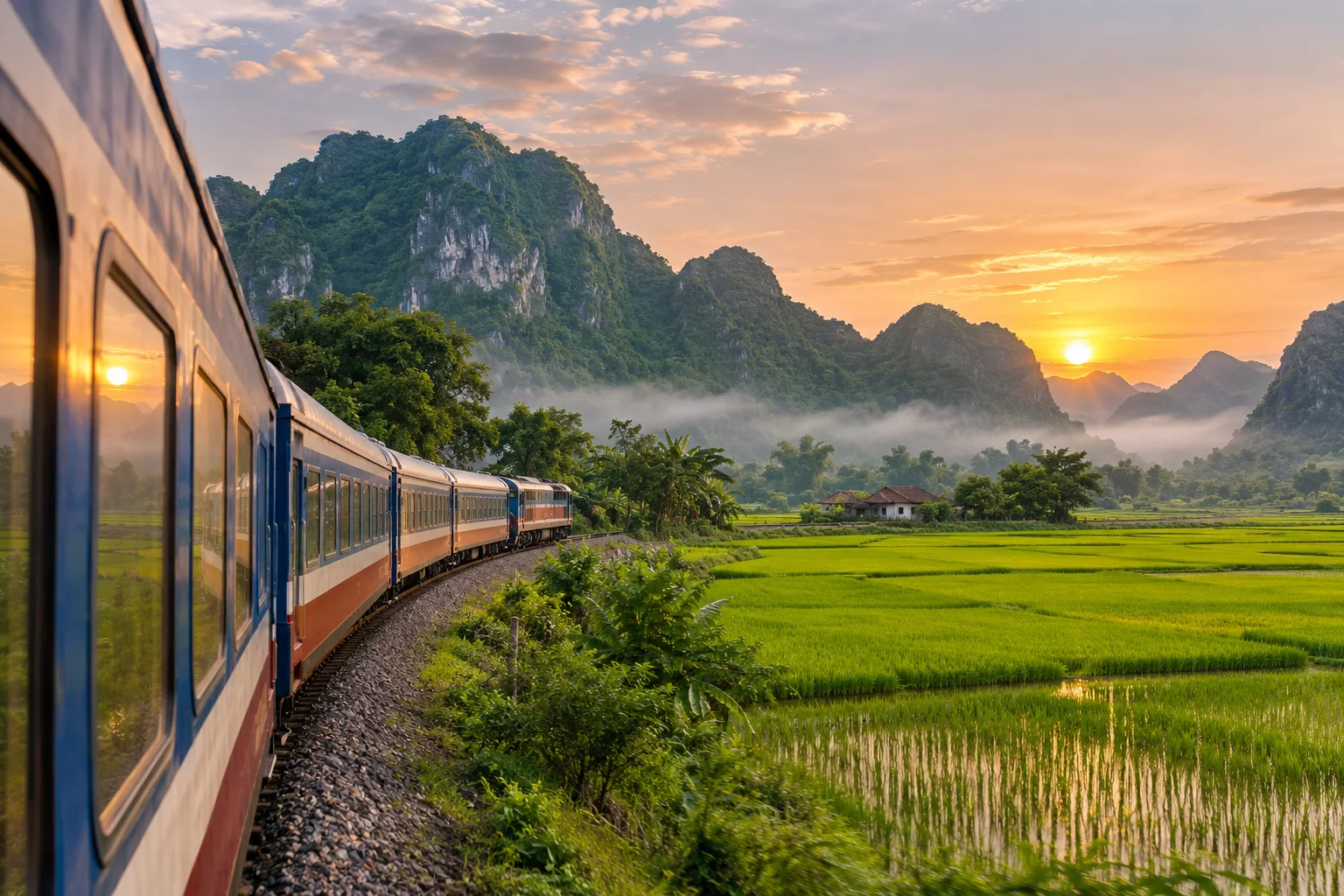
The Short Answer
Vietnam's railway is most useful when the journey adds to the holiday. Good choices include Hanoi to Lao Cai for Sapa, Hanoi to Ninh Binh, Hue to Da Nang for coastal scenery, and an overnight sector between central and northern or southern Vietnam. Flying is usually better when a long rail journey would remove a full sightseeing day from a short itinerary.
Choose a four-berth soft-sleeper cabin for the most comfortable overnight option on standard services. Verify the train number, station, departure date, berth type and passenger names before paying, and arrive with time to find the correct platform and carriage.
Choose the train sectors that improve the itinerary
A complete Hanoi-to-Ho Chi Minh City rail journey is memorable but consumes significant time. Most first-time visitors get better value by selecting one scenic or overnight sector and using domestic flights for the longest jumps.
Hue to Da Nang is a celebrated daytime stretch because the line crosses the Hai Van Pass. Hanoi to Ninh Binh is a practical short trip, while trains toward Lao Cai can support a Sapa itinerary when the timetable and onward road transfer work for your group.
- Use daytime trains for scenery and short inter-city transfers.
- Use sleepers when they replace a hotel night without ruining the following day.
- Avoid tight same-day connections to flights, cruises or non-refundable tours.
Understand seats and sleeper cabins
Soft seats suit shorter daytime journeys. Six-berth sleepers are economical but have less space and privacy. Four-berth soft sleepers are generally the easiest choice for couples, families and travellers carrying more luggage.
Cabin quality varies by train and operator. Private tourist carriages may be attached to regular services on some routes, so confirm who operates the carriage and exactly what the ticket includes rather than relying only on photographs.
- Lower berths are easier to access but are often booked first.
- Families should confirm whether all berths are in the same cabin.
- Carry a light layer, tissues, drinking water and a compact wash kit.
Book carefully and check every ticket detail
Use the official railway channel or a reputable booking provider. Passenger names should match identification, and the date must be checked carefully because overnight departures can create confusion around midnight.
Keep the ticket available offline and save the station name in Vietnamese. Large cities can have more than one relevant station, while some destination names refer to a nearby rail stop rather than the final tourist town.
- Confirm train number, origin, destination, date, time, carriage and berth.
- Recheck baggage rules and ticket change conditions before payment.
- Arrange the final road transfer separately when the station is outside the destination.
Plan for comfort, luggage and delays
Keep valuables, medication, documents and electronics in a small bag that stays with you. Lock larger luggage when practical and avoid blocking cabin floors or corridors. Food may be sold on board, but carrying simple snacks is sensible for dietary needs.
Rail schedules can change and delays happen. Do not place a cruise departure, international flight or important timed admission immediately after a long train journey. A buffer protects the rest of the itinerary.
Continue Planning
Vietnam tour packages
Compare routes that combine rail, road and domestic flights sensibly.
Sapa tour packages
Plan the Lao Cai transfer and northern mountain stay.
Vietnam airport arrival guide
Coordinate flights with the rest of your transport plan.
Sources: Vietnam Railways: official booking information; Vietnam Tourism: train travel. Reconfirm operating hours, weather and transport details before booking.