Transportation Guide

Vietnam Domestic Flights Guide

Book the right route, pack to the fare, and connect without guesswork

Flying can make a multi-region Vietnam holiday easier, but the shortest timetable is not always the simplest journey. Compare the complete route, read the fare rules, and build enough time around airports and connections before you pay.

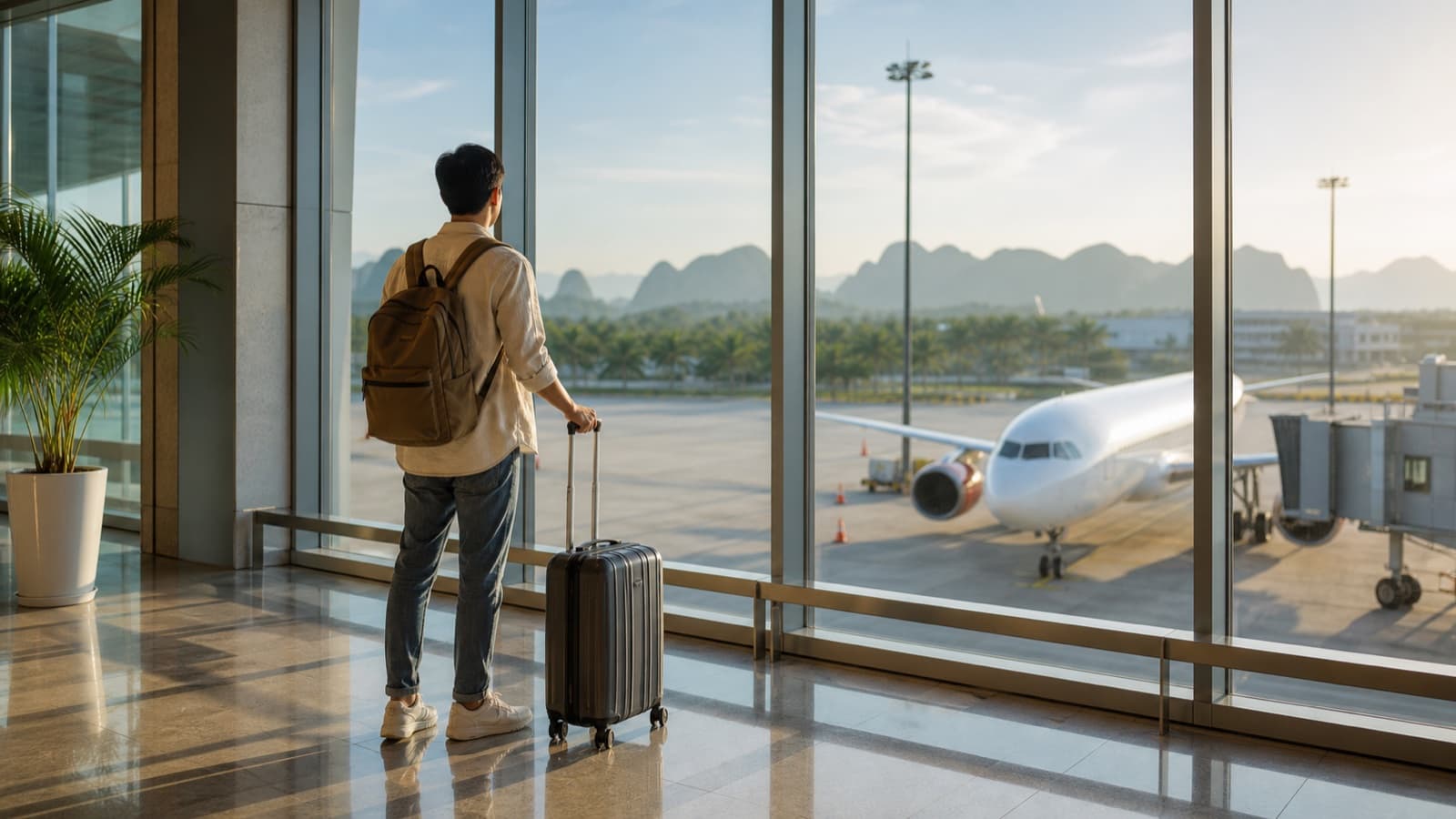
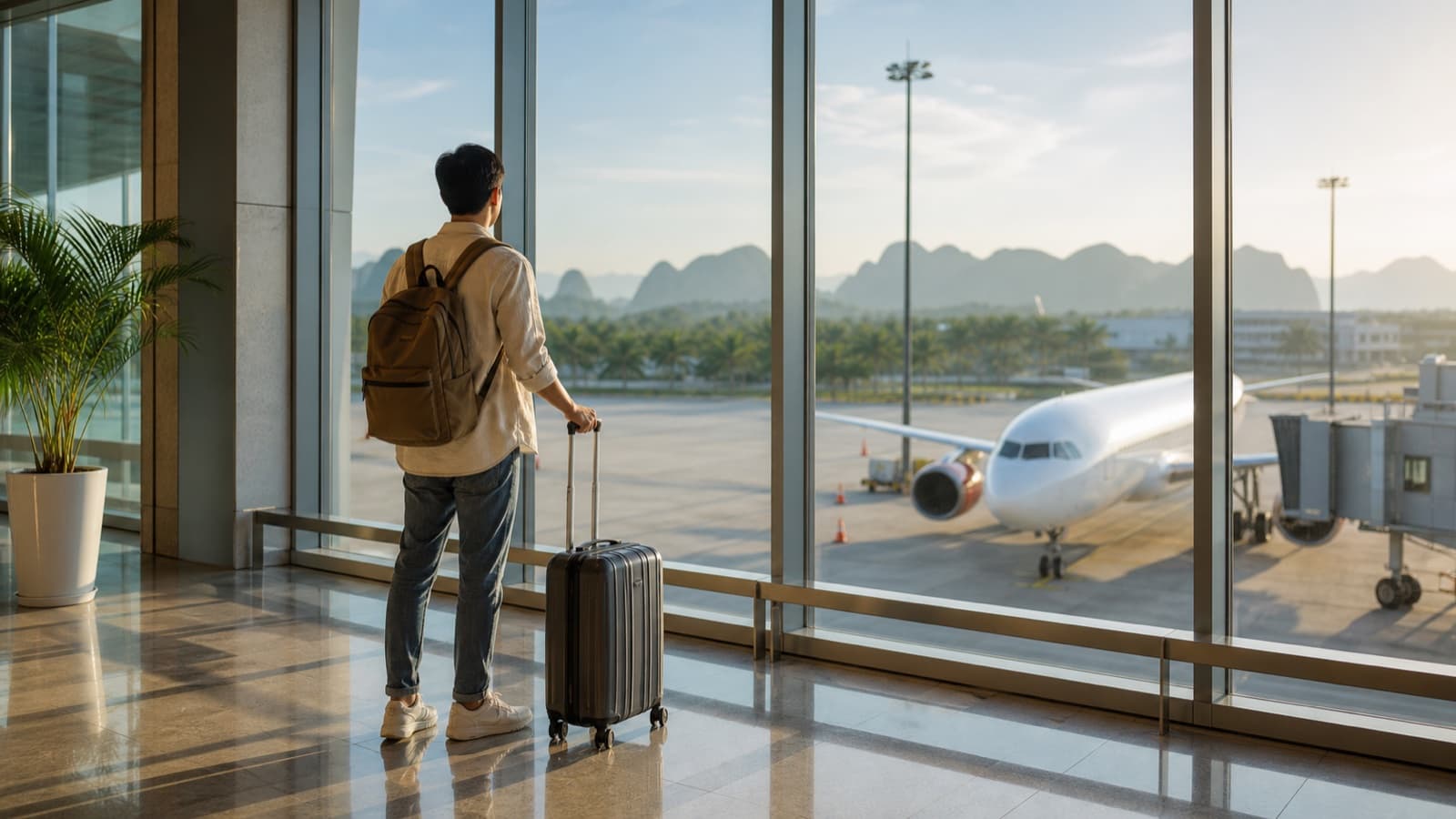
Traveler with luggage looking at an aircraft through a Vietnam airport window
Route FirstBefore BookingCompare the full door-to-door journey
Read the FareBefore PayingCheck bags, changes, and passenger details
Build a BufferTravel DayAllow for traffic, terminals, and connections
By Maya Travels Team · Published July 20, 2026 · 11 min read

Decide Whether Flying Improves the Whole Journey

Compare door to door, not runway to runway.

Domestic flights are most useful when they protect time between distant regions. The real comparison includes the hotel pickup, airport journey, check-in, security, flight, baggage claim, and transfer at the other end. A train, car, or overnight journey can be more convenient on a shorter route or when it replaces a hotel night.

Start with the shape of the holiday. The North Vietnam vs South Vietnam route guide helps you choose regions before adding transport. Once the route is stable, use flights selectively where they reduce tiring backtracking rather than adding another rushed airport day.

Domestic air traveler preparing to fly within Vietnam

Check Four Things Before Booking

The airport, passenger details, fare conditions, and onward plan should agree before payment.

Airport

Confirm the airport, not only the city

Search the airport name and code shown on the itinerary, then check its distance from your hotel and the available transfer options. A cheap flight can lose its advantage when the airport journey is long or starts before local transport is convenient.

ConfirmAirport name, code, terminal, and travel date
SaveThe address in both English and the local map app

Passenger

Enter names from the travel document

Use the same spelling and order shown on the identification you will present. Review every passenger before payment, including children, because correction rules and fees depend on the carrier and fare.

ConfirmFull name, date of birth, and contact details
SaveThe final passenger summary and booking reference

Fare

Compare the complete price

Look beyond the first displayed fare. Add the bags, seats, payment charges, meals, and flexibility you actually need. A higher fare can be better value when it already includes the essentials for your group.

ConfirmCabin bag, checked bag, and change conditions
SaveThe fare rules that applied when you booked

Schedule

Protect the rest of the itinerary

Avoid placing a flight too close to a cruise, train, tour departure, or international connection. Consider road traffic at both ends and whether a delay would remove the only practical way to reach the next booking.

ConfirmRealistic departure and arrival-day commitments
SaveContacts for the next hotel, driver, or tour operator

Build a Baggage Plan That Matches the Fare

Airline rules change; the confirmed booking and operating carrier are the source of truth for your flight.

⚖️

Check allowance by fare and passenger

Cabin and checked allowances can differ by airline, route, aircraft, fare bundle, and traveler. Read the allowance on the confirmed booking instead of relying on a previous trip or a general search result.

📏

Measure as well as weigh

A light bag can still be too large. Check the carrier's current size and piece limits, and leave room for purchases rather than planning to compress an overfilled case at the airport.

🔋

Separate restricted items early

Review the airline and airport guidance for batteries, power banks, liquids, aerosols, sports gear, and sharp items. Keep devices protected and never pack an item when its permitted location is unclear.

🏷️

Make checked bags identifiable

Remove old tags, add a durable contact label, photograph the case, and keep the bag receipt. Put medicine, documents, valuables, electronics, and one essential change of clothing in your cabin bag.

🎒

Keep one personal flight kit

Use a small pouch for identification, booking details, medication, charging cable, a pen, tissues, and an empty refillable bottle. Keep it accessible without opening the main suitcase.

Buy extra baggage before travel

If you need more allowance, compare pre-purchase options with airport charges. Recheck the final confirmation after adding baggage so every piece is attached to the correct passenger and flight.

Follow a Calm Airport Routine

Six deliberate checks keep documents, bags, and people moving together.

1

Recheck the flight before leaving

Confirm the operating airline, departure airport, terminal, and latest status. Save the booking and identification requirements offline in case mobile data is slow.

2

Leave for the airport with a buffer

Base the pickup on the airline's current check-in guidance, local traffic, group size, and baggage. Add more margin when travelling during busy periods or from an unfamiliar hotel.

3

Use the correct check-in channel

Online check-in can save time, but it does not always remove document or bag-drop steps. Follow the instructions on the boarding pass and ask staff if the terminal display differs from your saved information.

4

Verify the bag tag

Before the suitcase leaves the counter, check that the destination on its tag matches your flight. Keep the receipt somewhere separate from the bag itself.

5

Complete security without rushing

Have documents ready and follow the instructions given at the checkpoint. Empty pockets deliberately, then pause after screening to confirm you have every tray item.

6

Watch the live gate information

Gate and boarding details can change. Stay within hearing distance, check the airport screens, and return from shops or lounges before boarding begins.

Plan Connections as Separate Tasks

Ticket structure determines who protects the connection and what you may need to do between flights.

Two flights on one protected booking

Ask where the checked bag is tagged and whether you must collect it between flights. Follow the transfer signs and keep both boarding passes available. The airline's instructions for that itinerary are more reliable than assumptions from another airport.

Separate tickets or different bookings

Treat this as a self-connection unless the carriers clearly confirm otherwise. You may need to collect bags, change terminals, check in again, and pass security. Build a generous buffer and understand what happens if the first flight is late.

Domestic flight before an international departure

Protect the expensive or inflexible flight. Consider travelling to the international gateway earlier when a missed connection would be difficult to recover, especially if the tickets are separate.

A delay affects your hotel or tour

Send the new arrival estimate as soon as it is clear, using the contact saved before travel. Keep airline messages and receipts, and ask providers to confirm any revised pickup or check-in arrangement in writing.

Make the Flight Work for Every Traveler

Important support is easier to arrange before departure day.

Families with children

Confirm infant and child document, seating, stroller, and baggage rules with the airline. Pack food, comfort items, medication, and spare clothes for a longer day than the timetable suggests, while respecting security restrictions.

Travelers needing assistance

Request assistance during booking and reconfirm it before departure. Describe the support needed from vehicle drop-off through boarding, including mobility equipment, communication needs, and help at the arrival airport.

Groups and MICE travelers

Use a passenger list, assign one coordinator, and divide people into small check-in groups. Record who holds each bag receipt and set a meeting point after security rather than blocking the counter area.

Travelers carrying special equipment

Ask the operating airline about sports gear, instruments, medical devices, or fragile items before paying. Get packing, battery, documentation, and check-in instructions in writing when the equipment is essential to the trip.

Connect the Flight to the Ground Plan

The trip is not complete until you know how to leave the arrival airport and reach the next check-in.

Arrange the next transfer with the help of the Vietnam airport arrival guide. Save the driver's contact, meeting point, hotel address, and a backup transport option. If a delay changes the pickup, send the updated flight details rather than only saying you will be late.

Keep messages accessible with the Vietnam SIM and eSIM guide, and carry the right mix of payment methods using the Vietnam money guide. These small preparations are most valuable when the arrival is late or the terminal is busy.

Pack essential documents, medicine, charging gear, and a change of clothes in the cabin with help from the Vietnam packing list. At the destination, check the baggage tag before leaving the claim area and use the designated meeting place for your transfer.

Schedules, terminals, check-in cutoffs, baggage allowances, restricted-item rules, and assistance procedures can change. Reconfirm anything essential directly with the operating airline and airport close to travel.

Make Each Vietnam Flight Part of the Holiday

A good domestic flight plan begins with the route, not the fare. Choose the correct airport, match every passenger detail, buy the baggage you need, protect important connections, and arrange the transfer at the other end. Then travel day becomes a sequence of simple checks instead of a race through the terminal.

Maya Travels can coordinate flights, private transfers, hotels, and regional itineraries so your Vietnam holiday moves smoothly from one destination to the next.

Plan Your Vietnam Holiday
Free Ebook